Category: Video Production

  • The Rise of Culinary Content: Why Food Videos Are Dominating Social Media

    The Rise of Culinary Content: Why Food Videos Are Dominating Social Media

    Food Videos Are Dominating Social Media

    Introduction

    Scroll through Instagram, YouTube Shorts, or TikTok, and you’ll quickly notice one thing—food videos are everywhere. From slow-motion cheese pulls and sizzling pans to beautifully plated desserts and quick recipe tutorials, culinary content has become one of the most engaging formats on social media.

    Food has a universal appeal. Whether someone enjoys cooking, loves trying new restaurants, or simply appreciates visually satisfying content, food videos capture attention within seconds. As short-form video continues to dominate digital platforms, chefs, restaurants, food brands, influencers, and content creators are using high-quality culinary videos to build loyal audiences and increase brand visibility.

    But creating food content that stands out takes more than just a smartphone. Professional production, creative styling, and the right environment all play a major role in making food look irresistible.


    Why Food Content Performs So Well
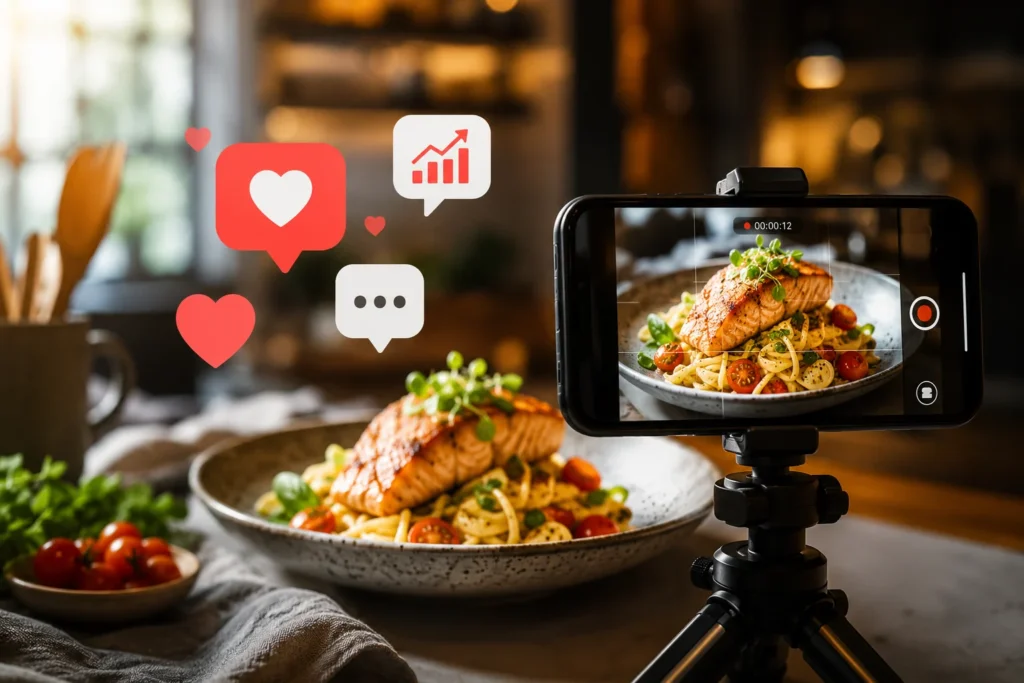
    Food Content Studio consistently receives high engagement because it connects with people on multiple levels. It entertains, educates, and inspires all at once.

    Popular food content formats include:

    • Quick recipe videos
    • Restaurant showcases
    • Cooking tutorials
    • Behind-the-scenes kitchen moments
    • Product demonstrations
    • Chef collaborations
    • Taste-test and review videos

    These videos encourage viewers to watch until the end, save recipes for later, share them with friends, and even make purchasing decisions. This combination of entertainment and practical value makes culinary content one of the strongest performers across social media.


    The Psychology Behind Visual Food Appeal
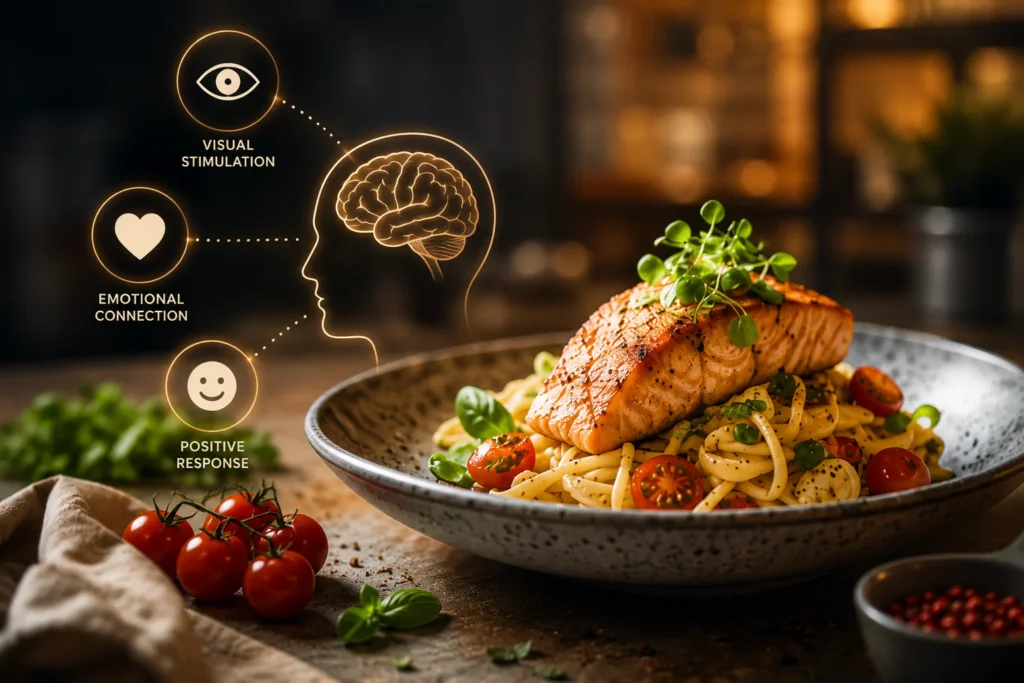
    People naturally respond to visually appealing food. Bright colors, fresh ingredients, attractive plating, and satisfying cooking processes stimulate curiosity and create an emotional response.

    When viewers see freshly baked bread, perfectly grilled vegetables, or chocolate slowly melting, they often imagine the taste and aroma. This sensory connection keeps audiences engaged for longer and increases the likelihood that they’ll interact with the content.

    That’s why successful food creators focus not only on recipes but also on presentation.


    Role of Motion, Texture & Sound in Food Videos

    Food videos become even more captivating when movement and sound are used effectively.

    Simple moments like:

    • Sauce being poured
    • Coffee brewing
    • Steam rising from a hot dish
    • Crispy bites
    • Knife slicing through fresh ingredients
    • Sizzling sounds from a pan

    can instantly make viewers stop scrolling.

    These details create a more immersive experience and make the content feel authentic. High-quality cameras, proper frame rates, and clear audio help capture these moments in a way that ordinary recordings often cannot.


    Importance of Lighting & Styling
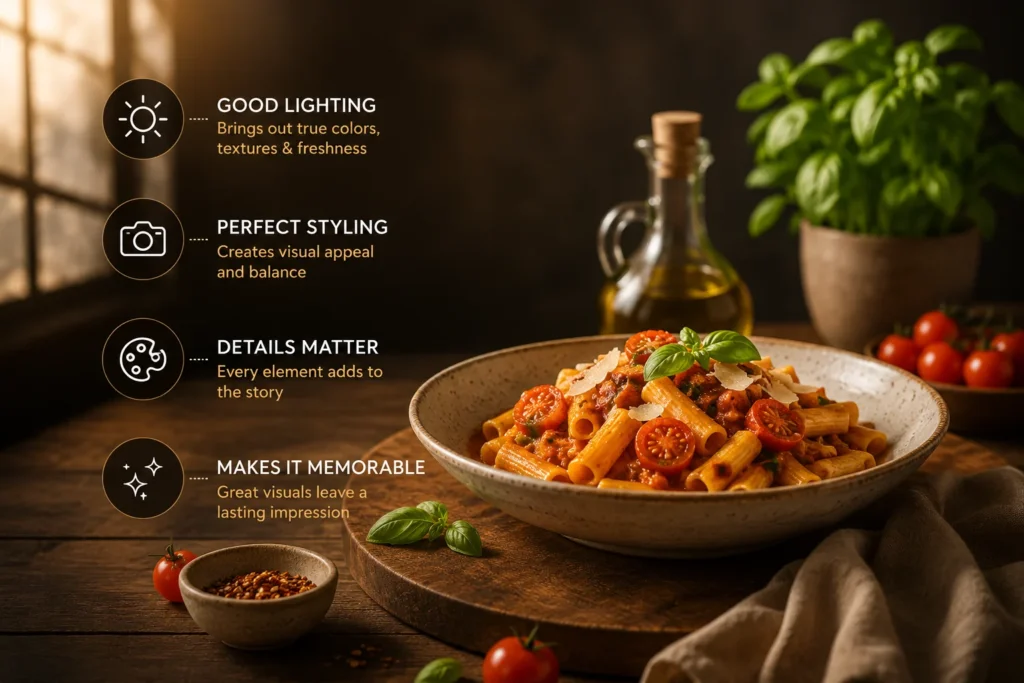
    Lighting is one of the biggest factors in food photography and videography.

    Poor lighting can make even delicious food appear dull and unappetizing, while professional lighting enhances:

    • Natural colors
    • Texture
    • Freshness
    • Depth
    • Visual appeal

    Food styling is equally important. Every ingredient, garnish, plate, and background element contributes to the final look.

    Professional styling ensures that each frame tells a story while maintaining consistency across all brand content.


    Why a Professional Kitchen Studio Makes a Difference

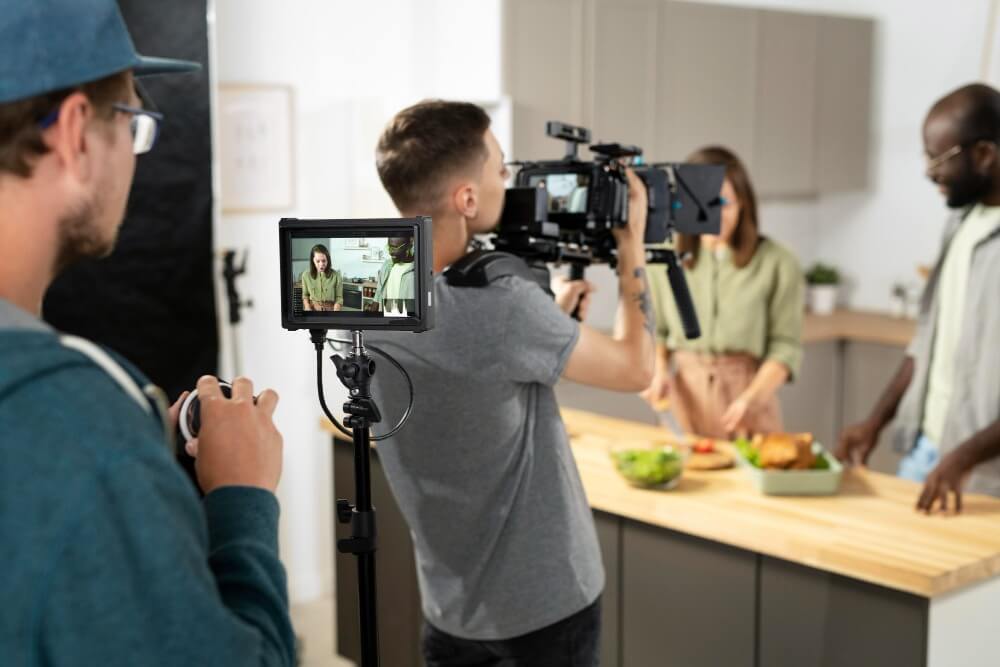
    Many creators start by filming in home kitchens, but as content quality expectations increase, dedicated kitchen studios provide significant advantages.

    A professional kitchen studio offers:

    • Controlled lighting setups
    • Modern kitchen interiors
    • Premium cookware and props
    • Spacious shooting areas
    • Multiple camera angles
    • Clean, distraction-free backgrounds

    This environment allows creators and brands to focus on storytelling instead of worrying about space limitations or inconsistent lighting.

    For businesses launching food products or creating recipe campaigns, a professional studio also ensures consistent quality across every piece of content.


    How Brands Use Food Content to Drive Engagement & Sales
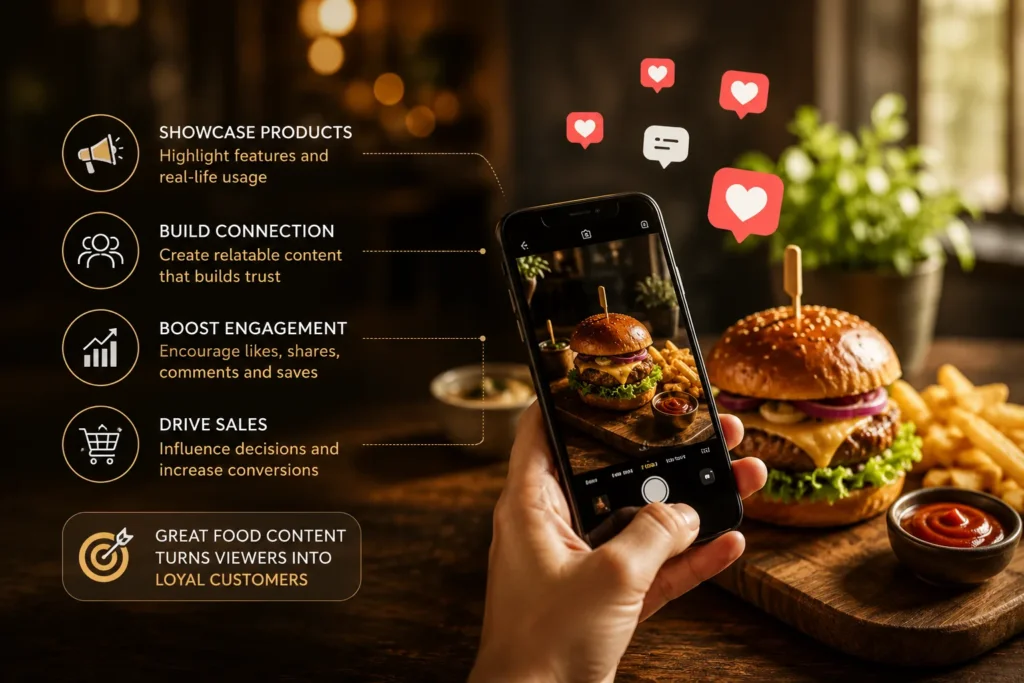
    Food Content Studio has become a valuable marketing tool for restaurants, cafés, packaged food companies, kitchen appliance brands, grocery businesses, and delivery services.

    Brands use culinary videos to:

    • Showcase products in action
    • Introduce new menu items
    • Demonstrate recipes
    • Build customer trust
    • Increase social media engagement
    • Drive website traffic
    • Support advertising campaigns

    Instead of relying solely on product images, brands now create engaging visual stories that help customers connect with their products before making a purchase.


    Common Mistakes in Food Content Creation
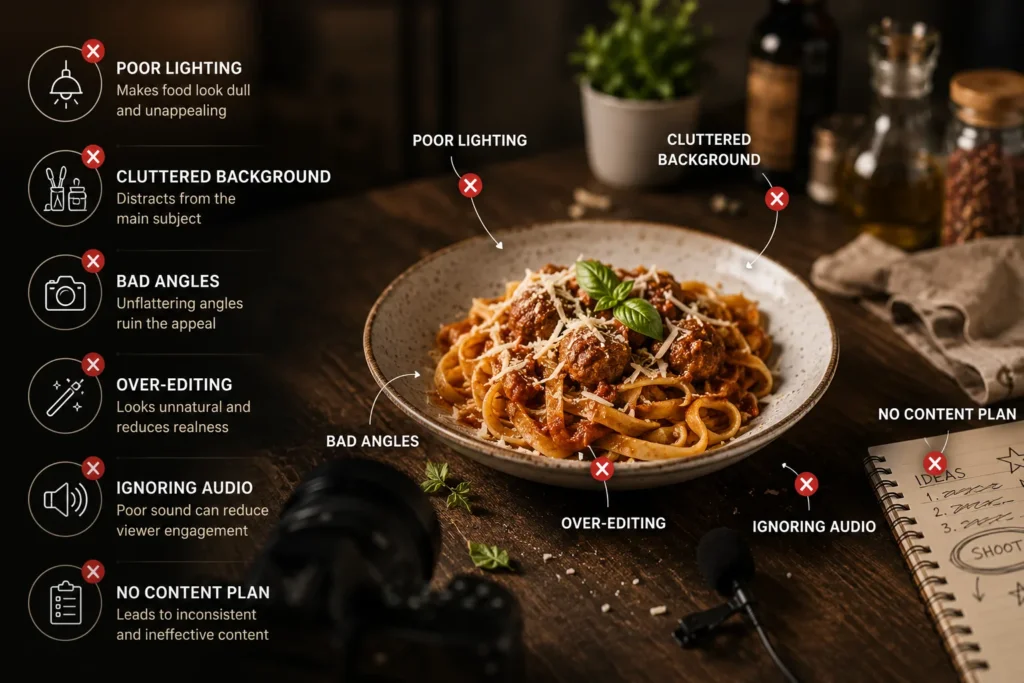
    While food content is highly effective, several common mistakes can reduce its impact.

    Some of the most frequent issues include:

    • Poor lighting
    • Cluttered backgrounds
    • Weak camera angles
    • Over-editing
    • Inconsistent branding
    • Ignoring audio quality
    • Rushing the plating process
    • Filming without a content plan

    Even simple improvements in preparation and production can significantly enhance the final result.


    Emerging Culinary Content Trends

    Food content continues to evolve alongside changing audience preferences.

    Some of the biggest trends shaping culinary content include:

    • Short-form recipe videos under one minute
    • Behind-the-scenes kitchen storytelling
    • Chef personality-driven content
    • Farm-to-table narratives
    • Healthy and sustainable cooking
    • ASMR food experiences
    • Interactive cooking challenges
    • AI-assisted editing and content planning
    • Multi-platform content created from a single shoot

    Brands that adapt to these trends are more likely to stay relevant and maintain strong audience engagement.


    Conclusion

    Food content has become one of the most powerful forms of digital storytelling. Its ability to capture attention, trigger emotions, and encourage engagement makes it an essential part of modern marketing strategies for restaurants, food brands, and creators alike.

    As competition continues to grow, production quality becomes a key differentiator. Professional lighting, thoughtful styling, high-quality visuals, and a well-equipped kitchen studio can transform simple recipes into compelling content that audiences remember and share.

    For brands looking to strengthen their online presence, investing in professionally produced culinary content isn’t just about creating beautiful videos—it’s about building trust, increasing engagement, and turning viewers into loyal customers.
  • How to Choose a Video Production Service That Matches Your Brand Voice

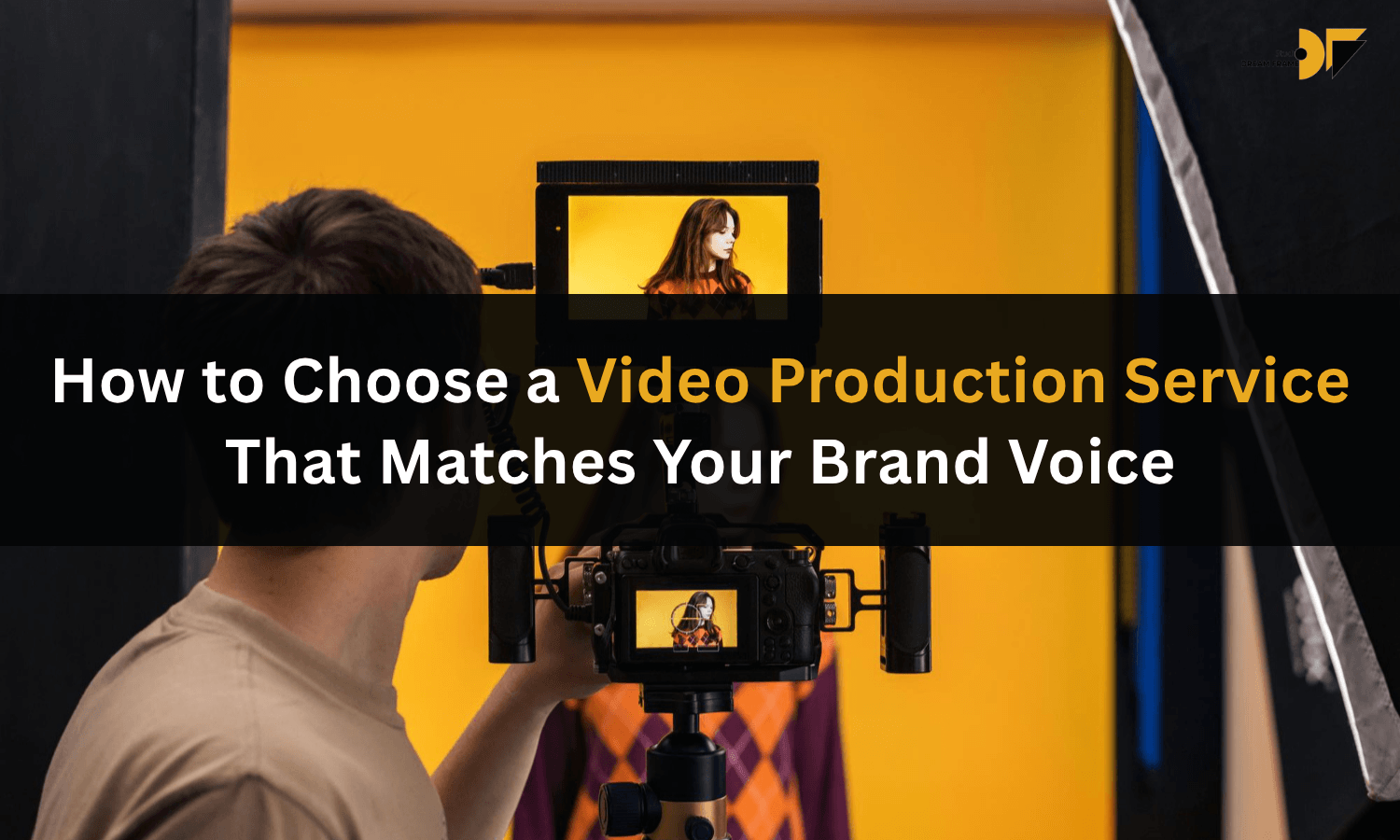
    How to Choose a Video Production Service That Matches Your Brand Voice

    How to Choose a Video Production Service That Matches Your Brand Voice

    Sometimes, you create a video and everything looks fine—but it still doesn’t feel right.

    The quality is good, the editing is clean, but something feels off.
    In most cases, the issue is simple: the video doesn’t match your brand voice.

    Not because the team did a bad job.
    Just because the tone didn’t come through the way it should.


    Most Brands Don’t Think About This in the Beginning

    Usually, the process is pretty straightforward.

    You decide to make a video.
    You find someone to shoot it.
    You share a few references.
    You get the final output.

    But somewhere in between, your original tone gets lost.

    And the result becomes:

    • too sales-heavy
    • too scripted
    • or just very generic

    You can’t always explain what’s wrong—but you can feel it.


    So What Is Brand Voice in Video?

    It’s actually very simple.

    It’s just how your brand sounds and feels when someone watches your content.

    For example:

    • Some brands sound clear and informative
    • Some feel casual and friendly
    • Some feel more premium and minimal

    None of these are wrong.
    But if your video doesn’t match your actual tone, it won’t connect properly.

    The Part No One Talks About

    A lot of production teams are great at making videos look good.

    But not all of them are good at:

    • understanding your audience
    • simplifying your message
    • or capturing your natural tone

    So what you get is:
    A good-looking video that doesn’t really connect.

    And in today’s content-heavy space, connection matters more than production quality.


    Things You Should Actually Check Before Hiring

    Not the usual “check portfolio” advice. That’s obvious.

    Let’s talk about the stuff that actually makes a difference.


    1. Do They Try to Understand You… or Just the Project?

    This is a small thing, but you’ll notice it quickly.

    Some teams jump straight to:
    “Okay, when do we shoot?”

    Others slow down and ask:

    • Who are you speaking to?
    • What kind of content are you already creating?
    • What do you not want to sound like?

    That second type is usually a better fit.

    Because they’re not just thinking about output—they’re thinking about alignment.


    2. Watch Their Work… With Sound On

    Most people judge videos visually.

    But for this, don’t mute it.

    Listen to:

    • how people are speaking
    • how natural it feels
    • whether it sounds scripted or real

    Because your audience won’t watch your videos on mute forever.


    3. Can They Keep It Simple?

    This one matters more than people think.

    Some teams try to:

    • over-direct
    • over-edit
    • over-style

    And in the process, the original message becomes complicated.

    A good production partner knows when to not interfere too much.


    4. Are They Built for Consistency?

    Here’s the thing.

    You don’t need just one video.
    You need many.

    And if every video:

    • takes too much time
    • costs too much
    • or feels like starting from scratch

    You’ll stop creating.

    So instead of asking:
    “Can they make one great video?”

    Ask:
    “Can I work with this setup regularly?”


    Something Most People Ignore: The Space

    This is underrated.

    Where you shoot your video affects how your brand feels.

    You don’t always notice it consciously, but it shows up.

    For example:

    • Poor lighting makes things feel unprofessional
    • Messy backgrounds distract from the message
    • Overly staged setups feel fake

    On the other hand:

    • clean spaces feel trustworthy
    • warm setups feel more human
    • consistent backgrounds build familiarity

    You don’t need luxury.
    You need intentional space.


    What a Practical Setup Looks Like Today

    A lot of growing brands are moving away from big production setups.

    Instead, they’re doing something simpler:

    • Booking a proper studio space
    • Shooting multiple videos in one session
    • Keeping content natural and repeatable

    This works really well for:

    • podcasts
    • founder talks
    • product explainers
    • short-form content

    And honestly, it’s easier to maintain.


    Where Studio Dream Frame Comes In

    If you’re someone who wants to create content regularly but doesn’t want to deal with setup every time, Studio Dream Frame is a pretty practical option.

    They’re not trying to complicate things.

    They just provide:

    • ready-to-use kitchen studios
    • podcast setups that already look clean
    • brand shoot spaces that don’t need heavy adjustments

    So instead of spending half your time setting things up, you just walk in and start recording.

    You can check them here:

    It’s especially helpful if you’re trying to build consistency without building everything from scratch.


    One Realization That Changes Everything

    People don’t connect with:

    • perfect lighting
    • cinematic shots
    • heavy edits

    They connect with:

    • clarity
    • honesty
    • relatability

    So if your video feels natural, even if it’s not perfect—it works.


    Final Thoughts (Keeping It Real)

    Choosing a video production service is less about “who is best”
    and more about “who gets you.”

    If they understand:

    • how you speak
    • what you’re trying to say
    • and who you’re saying it to

    Everything else becomes easier.

    And if they don’t, even a great-looking video won’t help much.


    FAQs

    1. Why do my videos look good but still don’t perform?

    Because they may not match your brand voice or connect with your audience.

    2. Do I need expensive production to get results?

    Not really. Clear messaging matters more than high-end production.

    3. How do I define my brand voice?

    Start simple—decide if you want to sound formal, friendly, or informative.

    4. Is studio space really important?

    Yes, because it directly affects how your content looks and feels.

    5. What type of videos should I start with?

    Start with simple formats like talking videos, podcasts, or product explainers.

    6. How often should I shoot content?

    Even once a week is enough if you stay consistent.

  • A Full-Service Video Production House in India Built for Brand Growth

    A Full-Service Video Production House in India Built for Brand Growth

    A Full-Service Video Production House in India Built for Brand Growth

    Nowadays, most brands don’t really have a content problem.
    They have a clarity problem.

    You might have a great product, a strong team, even decent marketing—but if your audience doesn’t understand what you do within a few seconds, they move on. And right now, people move on fast.

    That’s exactly where a full-service video production setup starts to matter—not as a luxury, but as a practical tool for growth.


    What “Full-Service” Actually Means (and Why It Matters)

    A lot of people hear full-service production house and think it just means “they can shoot videos.”

    But it’s much more than that.

    A proper full-service setup handles:

    • Idea development (what to shoot and why)
    • Scripting (so your message is clear)
    • Shooting (with the right setup and lighting)
    • Editing (where the real storytelling happens)
    • Distribution thinking (where and how this video will be used)

    The difference is simple:
    Instead of just making videos, you’re building content that works together.

    And that’s where most brands go wrong—they create random videos without a bigger plan.


    Why Video Is Not Optional Anymore

    In India, digital consumption has changed a lot in the last few years. People don’t read first—they watch first.

    Before buying, people want to:

    • See how something works
    • Understand it quickly
    • Feel some level of trust

    Video does all three, faster than anything else.

    But here’s something not many people talk about—
    It’s not about making more videos. It’s about making the right kind of videos.


    The Shift: From “Content Creation” to “Content Systems”

    Earlier, brands focused on one-off shoots:

    • A product video
    • A brand film
    • Maybe a few reels

    Now, the smarter brands are thinking differently.

    They’re building content systems, like:

    • Weekly podcast-style videos
    • Short-form clips from long recordings
    • Consistent brand shoots every month
    • Behind-the-scenes and process content

    This approach saves time, reduces cost per video, and builds familiarity with the audience.

    And honestly, consistency beats perfection here.


    Why Space Matters More Than You Think

    One overlooked part of video production is the space.

    Many brands struggle because:

    • They don’t have a proper shooting setup
    • Lighting is inconsistent
    • Backgrounds don’t match their brand
    • Setup time eats into productivity

    This is where having access to a dedicated, ready-to-use studio changes everything.

    Instead of spending hours setting up, you just walk in and start creating.


    A Smarter Way to Create: Use Ready Production Spaces

    Not every brand needs to build an in-house studio. In fact, for most, it’s not even practical.

    A better approach is using flexible, purpose-built spaces like Studio Dream Frame.

    They offer:

    • Kitchen studio setups (great for food brands, chefs, and product demos)
    • Podcast spaces (clean, professional, ready-to-shoot environments)
    • Brand shoot setups (for ads, reels, and social content)

    The advantage is simple:

    You focus on your content, not on managing lights, props, or technical setups.

    If you’re trying to build consistent video content without heavy investment, this model makes a lot of sense.


    What a Good Production Setup Should Help You Do

    Whether you’re working with a full-service production team or using a studio space, the goal is not just “good-looking videos.”

    It should help you:

    • Explain your product faster
    • Build trust without long explanations
    • Create multiple pieces of content in one shoot
    • Stay consistent without burning out

    Because at the end of the day, brand growth is not about one viral video.
    It’s about showing up again and again, in a way people understand.


    A Practical Example (How Brands Are Doing It Now)

    Let’s say you run a food brand.

    Instead of doing random shoots, you could:

    • Record one long cooking or storytelling session in a kitchen studio
    • Cut it into 15–20 short clips
    • Use those across Instagram, YouTube Shorts, and ads

    Or if you’re a founder:

    • Record a podcast-style conversation once a week
    • Turn it into insights, reels, and thought-leadership content

    This is how content becomes scalable.


    Why Most Video Efforts Don’t Work

    This is important.

    Most brands fail with video because:

    • They overthink and delay shooting
    • They try to make everything “perfect”
    • They don’t have a repeatable system
    • They lack a proper setup or environment

    It’s rarely about budget.
    It’s usually about structure.


    How to Get Started Without Overcomplicating It

    If you’re just starting or trying to fix your content strategy:

    1. Pick one format (podcast, product demo, talking videos)
    2. Shoot consistently (even once a week is enough)
    3. Use a proper space to save time
    4. Focus on clarity, not creativity overload

    You don’t need a big team.
    You need a simple, repeatable process.


    Work Smarter with Studio Dream Frame

    If you’re looking for a practical way to create better video content without setting up everything from scratch, Studio Dream Frame is worth exploring.

    They provide ready-to-use:

    • Kitchen studios
    • Podcast recording spaces
    • Brand shoot environments

    You can walk in, shoot, and leave with usable content—without dealing with technical chaos.

    👉 Check them out here: https://studiodreamframe.com/

    If your goal is to build consistent content for your brand, this kind of setup can save both time and effort.


    FAQs

    1. What is a full-service video production house?

    It’s a team or setup that handles everything—from idea and scripting to shooting and editing—so you don’t have to manage different parts separately.

    2. Do small businesses need full-service video production?

    Not always. But they do need a structured way to create video content. That can come from a team or a well-equipped studio space.

    3. How often should a brand create video content?

    Consistency matters more than frequency. Even 1–2 shoots per week can work if you’re repurposing content properly.

    4. Is renting a studio better than setting up one?

    For most brands, yes. Renting saves cost, time, and effort—especially if you don’t shoot daily.

    5. What type of videos work best for brand growth?

    Product demos
    Founder-led content
    Podcasts
    Behind-the-scenes clips
    These build trust faster than overly polished ads.

  • Professional Video Production Services for Business Brands & Marketing Campaigns

    Professional Video Production Services for Business Brands & Marketing Campaigns

    Professional Video Production Services for Business Brands & Marketing Campaigns

    Most businesses don’t actually struggle because of bad products. More often, they struggle because people don’t understand what they’re offering—at least not quickly enough.

    And right now, attention is very limited. People scroll fast, skip faster, and decide in seconds whether something is worth their time.

    That’s where video quietly becomes important.

    Not in a flashy “viral content” way—but in a simple, practical way. A good video just makes things easier. Easier to explain, easier to understand, and easier to trust.

    That’s the real reason why more brands are now looking for professional video production services—not just to create content, but to communicate better.


    So, What Does “Video Production Services” Really Mean?

    If we remove all the complicated terms, it’s actually very simple.

    It means helping a business turn an idea into a video that people can watch and understand.

    That includes:

    • Figuring out what to say
    • Deciding how to show it
    • Shooting it properly
    • Editing it into something clean and usable

    That’s it.

    The problem is not that businesses can’t shoot videos—they can. Phones are good enough now.
    The real problem is: what to say, how to say it, and how to keep it consistent.


    Why Video Feels More Effective (Even If It’s Simple)

    If you think about it, video just reduces effort.

    Instead of reading 500 words, someone can watch a 30-second clip and get the idea.

    Instead of guessing how a product works, they can see it.

    Instead of trusting claims, they can see real people, real use, real context.

    It’s not about “high production”—it’s about clarity.

    That’s why even simple videos sometimes perform better than expensive ones.


    The Kind of Videos Businesses Are Actually Using

    There’s no fixed rule here. Different businesses use different formats, depending on what they need.

    Short Ad Videos

    These are the ones you see while scrolling. Quick, direct, and usually trying to get a response.

    Brand Videos

    A bit slower, more about telling who you are and what you stand for.

    Product Videos

    Very straightforward. Show the product, how it works, and why it matters.

    Regular Social Content

    This is more about staying visible. Not every video needs to “sell” something.

    Talking / Podcast Style Content

    This is growing because it feels more real and less scripted.


    Where Most Businesses Get Stuck

    It’s usually not about budget or tools. It’s more about confusion.

    Some common things that happen:

    • Trying to include everything in one video
    • Waiting for the “perfect idea”
    • Shooting randomly without a plan
    • Making one video and stopping for months

    And then it feels like video “doesn’t work.”

    But the issue is rarely the format. It’s the approach.


    A Simpler Way to Think About It

    Instead of thinking, “We need to create a perfect video,”
    it’s better to think, “We need to explain one thing clearly.”

    That shift helps a lot.

    One video = one idea.

    That’s enough.


    Why Setup Still Matters (Even for Simple Content)

    You don’t need a big production team, but your environment does affect the result.

    Things like:

    • Lighting
    • Background
    • Sound

    They quietly decide how your brand feels.

    A cluttered background or bad audio doesn’t just look bad—it makes people lose interest.

    That’s why many brands now prefer using ready studio spaces instead of shooting anywhere.


    Studio Dream Frame – A More Practical Option

    If you don’t want to deal with setups, equipment, or constant adjustments, Studio Dream Frame is a straightforward option.

    It gives you spaces that are already designed for content.

    You just come in, shoot, and leave.

    No overthinking.


    What You Can Actually Do There

    Kitchen Setup

    Useful if you’re shooting food content or anything related to cooking.

    Podcast Setup

    For conversations, interviews, or just talking content. Good audio makes a big difference here.

    Brand Shoot Space

    For product videos, ads, or general content.

    It’s not complicated—it just saves effort.


    One Small Change That Makes a Big Difference

    Instead of shooting one video at a time, try batching.

    For example:

    • Plan 4–5 simple ideas
    • Shoot all of them in one go
    • Use them over the next few weeks

    This removes the pressure of “creating something new” every time.


    Final Thought

    Video is not magic. It won’t fix everything overnight.

    But it does one important thing—it helps people understand you faster.

    And when people understand you, they’re more likely to trust you.

    That’s really what most businesses need.

    Not more content.
    Just clearer communication.


    FAQs

    1. Do I really need professional video production services?

    Not always for everything, but they help when you want consistency and better clarity.

    2. Can I start with simple videos?

    Yes, and you should. Simple is often more effective.

    3. What matters more—quality or message?

    Message. Always. Quality supports it, but can’t replace it.

    4. How often should I post videos?

    As often as you can stay consistent. Even a few per week is enough.

    5. Is a studio necessary?

    Not mandatory, but it definitely improves output and saves time.


    If You Want to Keep It Simple

    If video feels complicated right now, you don’t need to overthink it.

    Just start with a proper setup and a few clear ideas.

    Studio Dream Frame makes this part easier by giving you ready spaces for shooting—whether it’s food content, podcasts, or brand videos.

    You can check it here:
    https://studiodreamframe.com/

  • Corporate Video Production Company in India for Business Growth & Brand Marketing

    Corporate Video Production Company in India for Business Growth & Brand Marketing

    Corporate Video Production Company in India

    There was a time when businesses could rely only on brochures, websites, or sales teams to explain what they do. That approach still exists—but it’s no longer enough.

    Today, before a customer talks to you, they’ve already seen your brand somewhere—on Instagram, YouTube, or even in a Google search result. And in most cases, that first impression is shaped by a video.

    It could be a simple product clip, a founder story, or a brand film. But whatever it is, it decides one important thing very quickly: does your brand feel trustworthy or not?

    That’s exactly why corporate video production has become such an important part of business growth. It’s not just about creating content anymore—it’s about communicating clearly, building trust faster, and standing out in a crowded market.


    What is Corporate Video Production (In Simple Terms)

    Corporate video production simply means creating videos for business purposes.

    These videos are not made for entertainment—they are made to:

    • Explain your business
    • Promote your products or services
    • Build your brand image
    • Support marketing campaigns

    A corporate video production company helps plan, shoot, and deliver these videos in a professional way.

    But more importantly, they help you answer one key question:
    “What should we say, and how should we say it?”


    Why Businesses in India Are Investing More in Video

    If you look at how brands are growing in India right now, you’ll notice one common pattern—almost all of them are using video consistently.

    There are a few simple reasons behind this:

    1. People Prefer Watching Over Reading

    Let’s be honest—most users don’t want to read long descriptions. A short video explains things faster and better.

    2. Social Media Pushes Video Content

    Platforms like Instagram and YouTube give more reach to video compared to static posts.

    3. It Builds Trust Quickly

    Seeing a real person, real product, or real process makes a brand feel more genuine.

    4. It Helps in Selling Without “Hard Selling”

    A good video explains benefits naturally instead of forcing a sale.


    Types of Corporate Videos That Actually Help Businesses Grow

    Not every business needs the same type of video. The right format depends on your goal.

    Company Profile Videos

    These are overview videos that explain who you are, what you do, and what makes you different.

    Product Videos

    Focused on showing features, benefits, and usage of your product.

    Brand Films

    More emotional and story-based. These help in building a long-term brand image.

    Testimonial Videos

    Customer or client feedback videos that build credibility.

    Training or Internal Videos

    Used for employees, onboarding, or internal communication.


    What Makes a Corporate Video Effective (Not Just “Good Looking”)

    A lot of businesses make one mistake—they focus only on visuals.

    Yes, quality matters. But a high-quality video without clarity is just noise.

    A good corporate video should have:

    Clear Message

    What is the one thing you want people to remember?

    Simple Language

    Avoid over-complicating things. The easier it is to understand, the better it works.

    Real Context

    People connect more with real situations than scripted perfection.

    Consistency

    Your videos should feel like they belong to the same brand.


    Common Mistakes Businesses Make

    If your videos are not performing, it’s usually because of one of these:

    • Trying to say too many things in one video
    • Making it too long without purpose
    • Copying trends without understanding the audience
    • Ignoring sound quality
    • Not planning distribution (where the video will be used)

    Fixing these small things can make a big difference.


    Why Gurgaon is Becoming a Preferred Location for Video Production

    Gurgaon has quietly become a strong hub for content creation.

    You have:

    • Growing startups
    • D2C brands
    • Marketing agencies
    • Corporate offices

    All of them need content regularly.

    Because of this, the demand for studio spaces and production setups has increased a lot. Instead of building their own setups, many brands now prefer using ready-to-use studios.


    Studio Dream Frame – A Practical Setup for Modern Content

    If you don’t want the complexity of managing a full production team, Studio Dream Frame offers a much simpler approach.

    It provides ready-to-use studio spaces where you can create different types of content without worrying about setup.

    This works well for:

    • Small businesses
    • Content creators
    • Marketing teams
    • Startups

    What You Can Do at Studio Dream Frame

    Kitchen Studio

    Perfect for:

    • Food brands
    • Recipe videos
    • Cooking content

    Podcast Studio

    Great for:

    • Interviews
    • Conversations
    • Educational content

    Brand Shoot Spaces

    Useful for:

    • Product shoots
    • Ads
    • Promotional videos

    The idea is simple—you come in, shoot your content, and leave with something that actually looks professional.


    Why Using a Studio Makes a Big Difference

    Many people try to shoot content in offices or homes. It works sometimes, but not always.

    A studio gives you:

    • Better lighting
    • Cleaner background
    • Proper sound setup
    • Less distraction

    It saves time and improves output quality without too much effort.


    A Smarter Way to Create Content

    Instead of shooting one video at a time, plan better.

    For example:

    • Shoot multiple videos in one day
    • Create both long and short versions
    • Use the same footage for ads and social media

    This way, you get more value from one shoot.


    Final Thought

    Corporate video production is not about making things look fancy. It’s about making things clear, relatable, and effective.

    If your audience understands you faster, trusts you quicker, and remembers you longer—you’re already ahead of most competitors.

    And that’s exactly what good video content helps you achieve.


    FAQs

    1. What does a corporate video production company do?

    It helps businesses create videos for marketing, branding, and communication purposes.

    2. Is video production expensive?

    It depends on the requirement, but using studio spaces can make it more affordable.

    3. How long should a corporate video be?

    Ideally short and to the point. 30 seconds to 2 minutes works well for most cases.

    4. Do small businesses need corporate videos?

    Yes, especially if they want to build trust and improve online presence.

    5. Can I shoot videos without a studio?

    Yes, but a studio improves quality and consistency.


    Create Your Next Video Without Overcomplicating It

    If you’re planning to create corporate videos, ads, or brand content, you don’t always need a big production setup.

    Studio Dream Frame gives you a simple and practical way to create professional content. Whether it’s a kitchen shoot, podcast recording, or product video, you get a ready space that saves time and effort.

    You can explore and book your studio here:
    https://studiodreamframe.com/

    Start small, stay consistent, and focus on clarity—that’s what actually works today.