How to Choose a Video Production Service That Matches Your Brand Voice
Sometimes, you create a video and everything looks fine—but it still doesn’t feel right.
The quality is good, the editing is clean, but something feels off.
In most cases, the issue is simple: the video doesn’t match your brand voice.
Not because the team did a bad job.
Just because the tone didn’t come through the way it should.
Most Brands Don’t Think About This in the Beginning
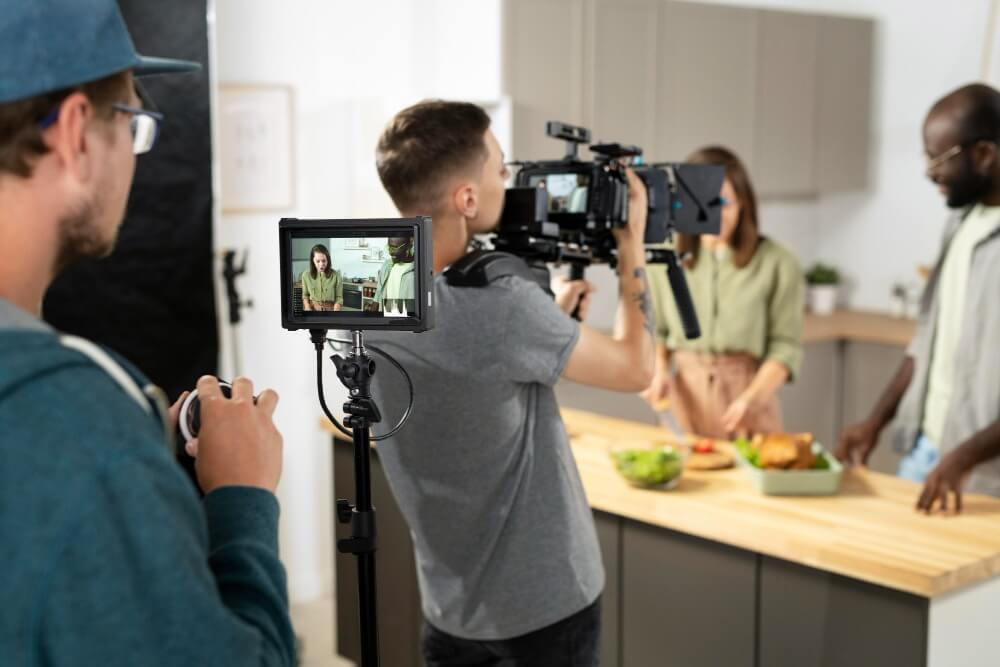
Usually, the process is pretty straightforward.
You decide to make a video.
You find someone to shoot it.
You share a few references.
You get the final output.
But somewhere in between, your original tone gets lost.
And the result becomes:
- too sales-heavy
- too scripted
- or just very generic
You can’t always explain what’s wrong—but you can feel it.
So What Is Brand Voice in Video?
It’s actually very simple.
It’s just how your brand sounds and feels when someone watches your content.
For example:
- Some brands sound clear and informative
- Some feel casual and friendly
- Some feel more premium and minimal
None of these are wrong.
But if your video doesn’t match your actual tone, it won’t connect properly.
The Part No One Talks About
A lot of production teams are great at making videos look good.
But not all of them are good at:
- understanding your audience
- simplifying your message
- or capturing your natural tone
So what you get is:
A good-looking video that doesn’t really connect.
And in today’s content-heavy space, connection matters more than production quality.
Things You Should Actually Check Before Hiring
Not the usual “check portfolio” advice. That’s obvious.
Let’s talk about the stuff that actually makes a difference.
1. Do They Try to Understand You… or Just the Project?
This is a small thing, but you’ll notice it quickly.
Some teams jump straight to:
“Okay, when do we shoot?”
Others slow down and ask:
- Who are you speaking to?
- What kind of content are you already creating?
- What do you not want to sound like?
That second type is usually a better fit.
Because they’re not just thinking about output—they’re thinking about alignment.
2. Watch Their Work… With Sound On
Most people judge videos visually.
But for this, don’t mute it.
Listen to:
- how people are speaking
- how natural it feels
- whether it sounds scripted or real
Because your audience won’t watch your videos on mute forever.
3. Can They Keep It Simple?
This one matters more than people think.
Some teams try to:
- over-direct
- over-edit
- over-style
And in the process, the original message becomes complicated.
A good production partner knows when to not interfere too much.
4. Are They Built for Consistency?
Here’s the thing.
You don’t need just one video.
You need many.
And if every video:
- takes too much time
- costs too much
- or feels like starting from scratch
You’ll stop creating.
So instead of asking:
“Can they make one great video?”
Ask:
“Can I work with this setup regularly?”
Something Most People Ignore: The Space
This is underrated.
Where you shoot your video affects how your brand feels.
You don’t always notice it consciously, but it shows up.
For example:
- Poor lighting makes things feel unprofessional
- Messy backgrounds distract from the message
- Overly staged setups feel fake
On the other hand:
- clean spaces feel trustworthy
- warm setups feel more human
- consistent backgrounds build familiarity
You don’t need luxury.
You need intentional space.
What a Practical Setup Looks Like Today
A lot of growing brands are moving away from big production setups.
Instead, they’re doing something simpler:
- Booking a proper studio space
- Shooting multiple videos in one session
- Keeping content natural and repeatable
This works really well for:
- podcasts
- founder talks
- product explainers
- short-form content
And honestly, it’s easier to maintain.
Where Studio Dream Frame Comes In
If you’re someone who wants to create content regularly but doesn’t want to deal with setup every time, Studio Dream Frame is a pretty practical option.
They’re not trying to complicate things.
They just provide:
- ready-to-use kitchen studios
- podcast setups that already look clean
- brand shoot spaces that don’t need heavy adjustments
So instead of spending half your time setting things up, you just walk in and start recording.
You can check them here:
It’s especially helpful if you’re trying to build consistency without building everything from scratch.
One Realization That Changes Everything
People don’t connect with:
- perfect lighting
- cinematic shots
- heavy edits
They connect with:
- clarity
- honesty
- relatability
So if your video feels natural, even if it’s not perfect—it works.
Final Thoughts (Keeping It Real)
Choosing a video production service is less about “who is best”
and more about “who gets you.”
If they understand:
- how you speak
- what you’re trying to say
- and who you’re saying it to
Everything else becomes easier.
And if they don’t, even a great-looking video won’t help much.
FAQs
1. Why do my videos look good but still don’t perform?
Because they may not match your brand voice or connect with your audience.
2. Do I need expensive production to get results?
Not really. Clear messaging matters more than high-end production.
3. How do I define my brand voice?
Start simple—decide if you want to sound formal, friendly, or informative.
4. Is studio space really important?
Yes, because it directly affects how your content looks and feels.
5. What type of videos should I start with?
Start with simple formats like talking videos, podcasts, or product explainers.
6. How often should I shoot content?
Even once a week is enough if you stay consistent.
Leave a Reply