Top 7 Types of Content Studio Every Brand Needs
Introduction
The way people consume content has changed a lot over the last few years. Today, customers don’t just visit a website before making a purchase. They scroll through Instagram, watch YouTube videos, check LinkedIn posts, listen to podcasts, and even search for short videos on Google. In many cases, people form an opinion about a brand before they ever visit its website.
This means businesses can no longer rely on one type of content. A few product photos or occasional social media posts are simply not enough. Brands that consistently publish different types of content build stronger trust, reach more people, and stay visible across multiple platforms.
In 2026, content is not just about posting regularly. It’s about creating the right mix of videos, photos, stories, and conversations that help people understand your brand.
Let’s look at the seven types of content every modern brand should include in its marketing strategy.
Why Brands Need Diverse Content Today
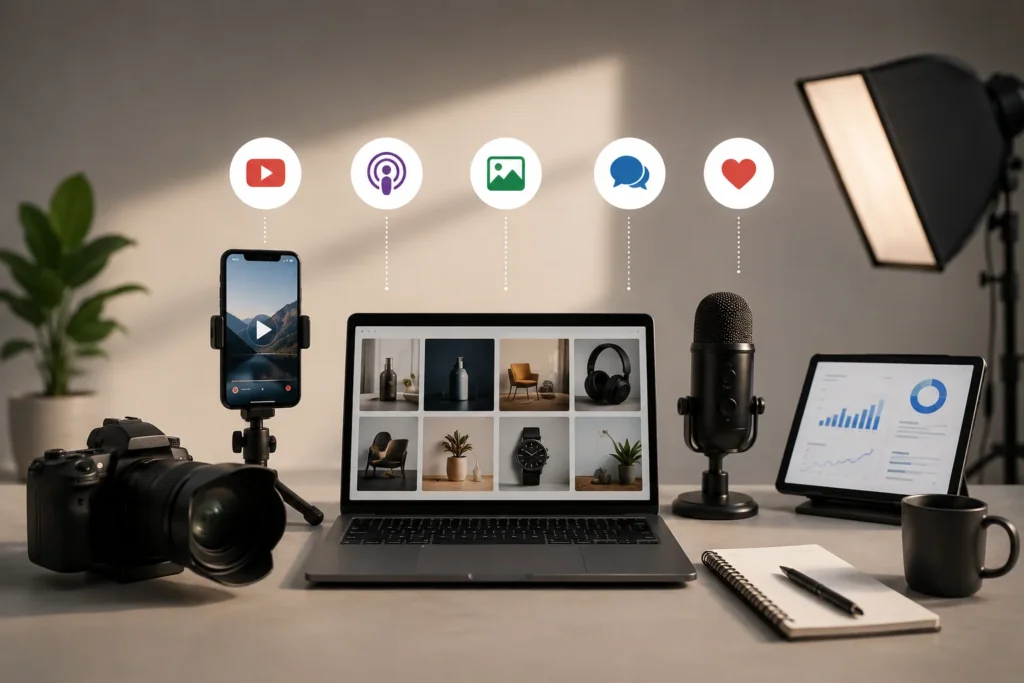
Every customer prefers content differently. Some people enjoy watching quick videos, while others prefer detailed product demonstrations. Some trust podcasts because they feel more personal, while others are influenced by high-quality visuals.
If your brand creates only one format, you’re likely missing a large part of your audience.
Creating different types of content helps you:
- Reach customers on multiple platforms
- Improve engagement across social media
- Build trust with potential buyers
- Increase website traffic from different sources
- Keep your content fresh throughout the year
Instead of repeating the same message, brands should present it in different formats.
1. Short-Form Video Content
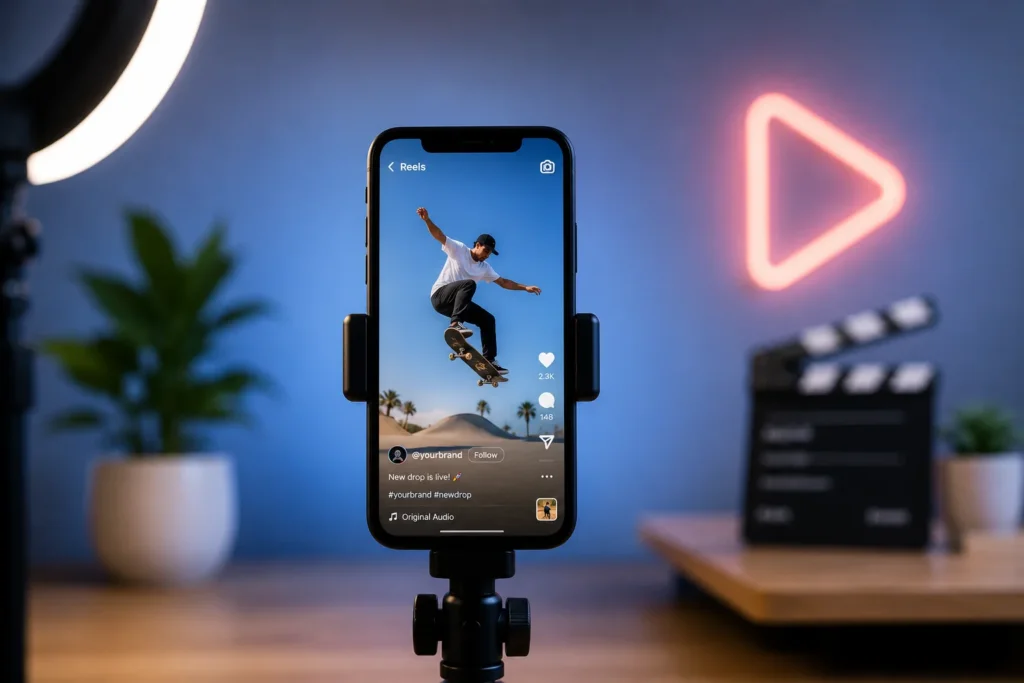
Short videos continue to dominate social media. Platforms like Instagram Reels, YouTube Shorts, Facebook Reels, and LinkedIn videos have changed how people discover brands.
A 20 to 60-second video can often explain more than several paragraphs of text.
Some ideas include:
- Quick product highlights
- Before and after transformations
- Tips and tricks
- Customer reactions
- Behind-the-scenes moments
- Daily brand updates
The goal isn’t perfection. Viewers usually respond better to content that feels real and useful.
2. Product Demo & Explainer Videos
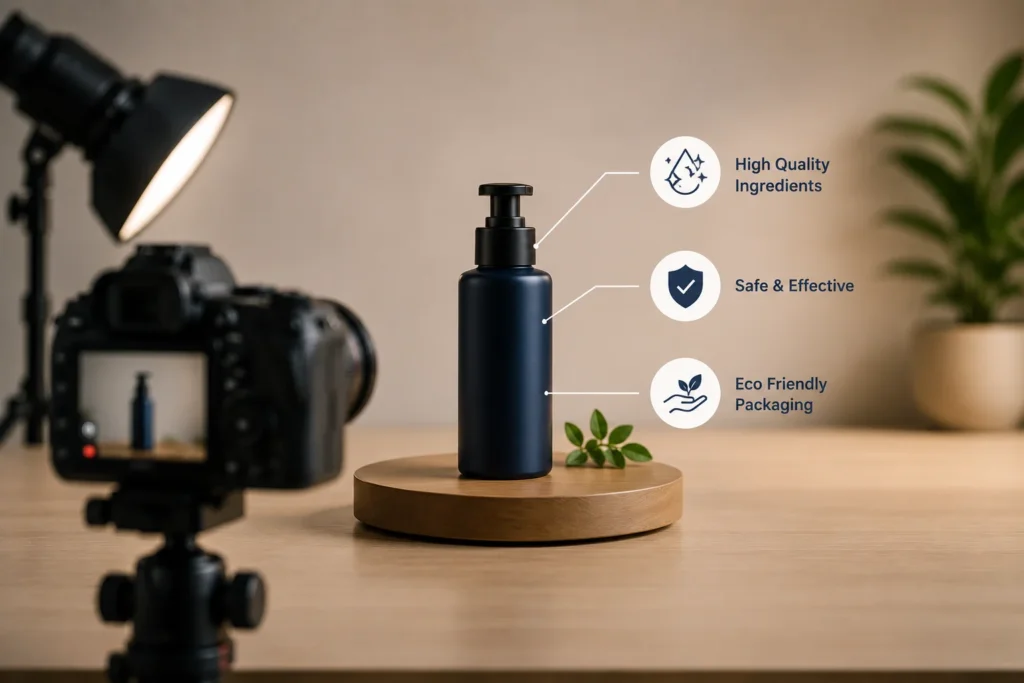
Customers want to understand exactly what they’re buying.
Product demonstration videos remove confusion and answer common questions before customers ask them.
Good demo videos usually explain:
- What the product does
- How it works
- Who should use it
- Benefits over competitors
- Real-life applications
- Common problems it solves
These videos also reduce customer support queries because people already know what to expect.
3. Branded Storytelling Films

People remember stories much longer than advertisements.
Instead of constantly talking about products, successful brands tell stories that connect emotionally with their audience.
Examples include:
- The story behind your business
- Founder journeys
- Customer success stories
- Manufacturing process
- Brand mission
- Community initiatives
Storytelling creates emotional value, and emotional connections often lead to stronger customer loyalty.
4. Podcast & Conversational Content

Podcasts continue to grow because people can listen while driving, working, exercising, or travelling.
Brands are increasingly using podcasts to share industry knowledge, interview experts, and discuss customer challenges.
Podcast content can also be repurposed into:
- Short social media clips
- Blog articles
- LinkedIn posts
- Quote graphics
- YouTube videos
One recording session can generate content for several weeks.
5. Culinary & Food Content
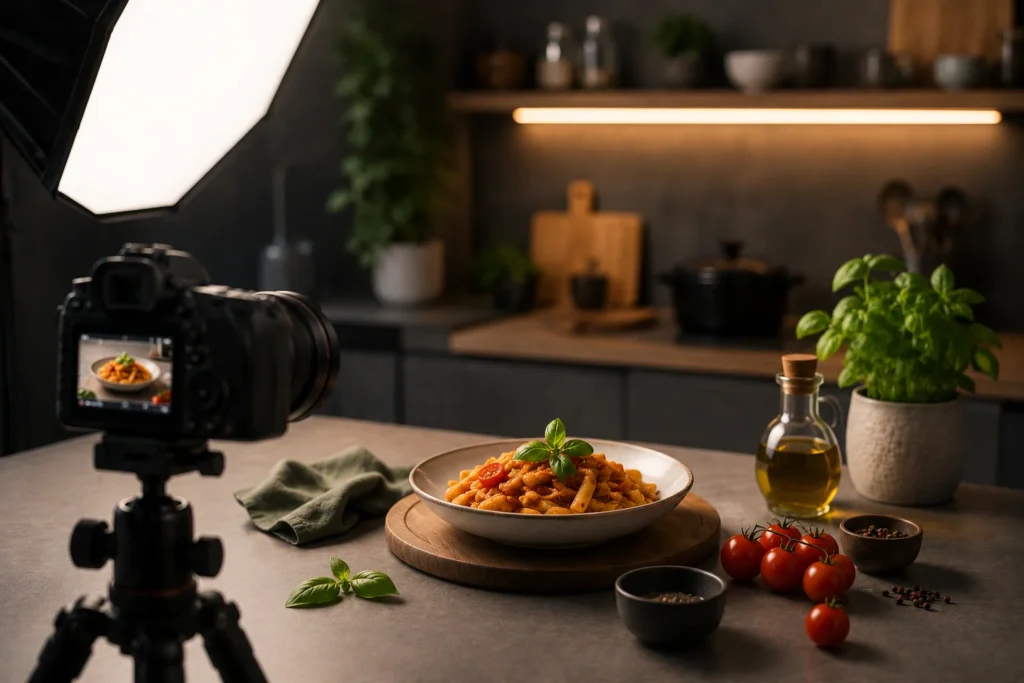
Food content performs well because it naturally attracts attention.
Restaurants, cafés, FMCG companies, kitchen appliance brands, grocery businesses, chefs, and even healthcare companies can benefit from food-related content.
Popular formats include:
- Recipe videos
- Cooking demonstrations
- Product styling
- Ingredient showcases
- Food photography
- Kitchen tutorials
- Brand collaborations with chefs
Professional kitchen studios make this process easier by providing controlled lighting, modern kitchen setups, and production-ready spaces.
6. Behind-the-Scenes & Authentic Content

Customers appreciate transparency.
Showing what happens behind the camera helps brands appear more genuine and approachable.
Ideas include:
- Team introductions
- Packaging process
- Office culture
- Photoshoot preparation
- Studio setup
- Production day
- Employee stories
This type of content often performs well because it feels less like advertising and more like everyday life.
7. CGI, VFX & High-Impact Visuals

Creative visual content is becoming more common across digital marketing.
CGI and visual effects help brands create eye-catching campaigns that stand out in crowded social media feeds.
Some examples include:
- Product animations
- Motion graphics
- Virtual product launches
- Creative advertisements
- 3D product visualization
- Cinematic brand films
While not every business needs advanced CGI, using it for major campaigns or product launches can create a strong first impression.
Choosing the Right Content Mix for Your Brand
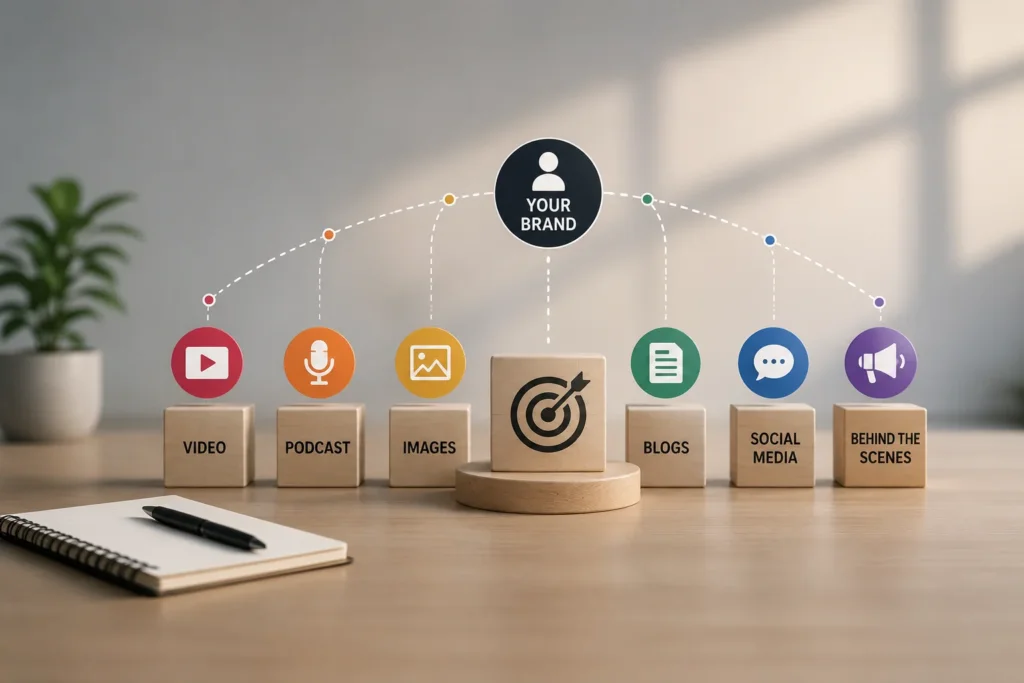
Many businesses believe they need to create every type of content immediately. That’s rarely necessary.
Start by understanding:
- Where your audience spends time
- What your customers search for
- Your marketing goals
- Your available budget
- How often you can publish consistently
A local restaurant may focus on food photography and short recipe videos, while a software company may benefit more from explainers, podcasts, and storytelling.
The best strategy is to create content that matches your audience rather than following every trend.
Planning content in batches also saves time and helps maintain consistency. One professional shoot can often produce enough photos, videos, and promotional material for several weeks.
Conclusion
Content marketing in 2026 is about variety, consistency, and authenticity. Customers interact with brands across multiple platforms, and each platform requires a different style of communication.
Short videos grab attention, product demos answer questions, storytelling builds trust, podcasts establish authority, food content creates engagement, behind-the-scenes videos humanize your brand, and high-impact visuals leave lasting impressions.
Instead of creating random content every week, build a structured content plan around your business goals. Working with a professional content creation studio can also make the process faster, more organized, and more cost-effective, while ensuring every piece of content reflects your brand consistently.