Category: Podcast Studio

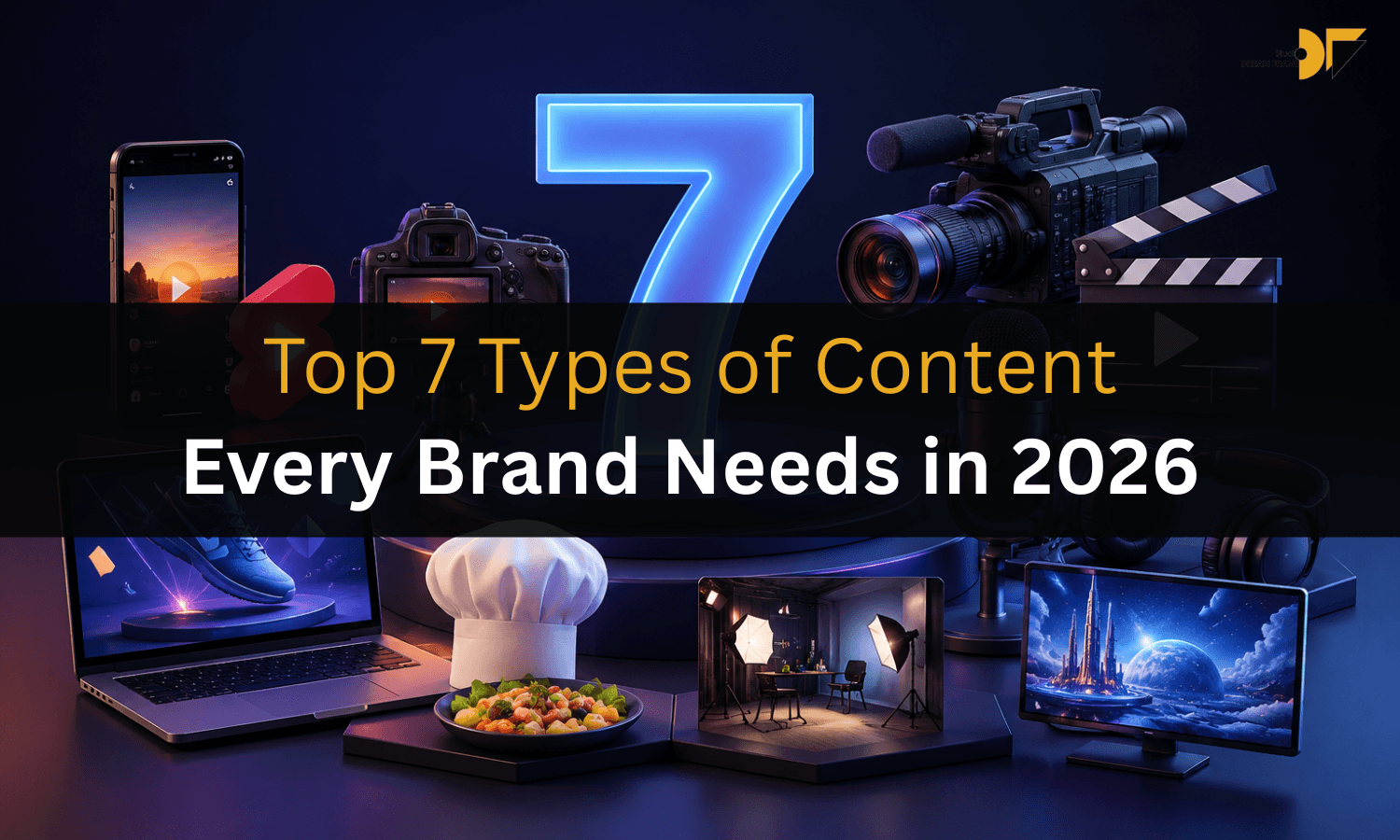
  • Top 7 Types of Content Studio Every Brand Needs in 2026

    Top 7 Types of Content Studio Every Brand Needs in 2026

    Top 7 Types of Content Studio Every Brand Needs

    Introduction

    The way people consume content has changed a lot over the last few years. Today, customers don’t just visit a website before making a purchase. They scroll through Instagram, watch YouTube videos, check LinkedIn posts, listen to podcasts, and even search for short videos on Google. In many cases, people form an opinion about a brand before they ever visit its website.

    This means businesses can no longer rely on one type of content. A few product photos or occasional social media posts are simply not enough. Brands that consistently publish different types of content build stronger trust, reach more people, and stay visible across multiple platforms.

    In 2026, content is not just about posting regularly. It’s about creating the right mix of videos, photos, stories, and conversations that help people understand your brand.

    Let’s look at the seven types of content every modern brand should include in its marketing strategy.


    Why Brands Need Diverse Content Today
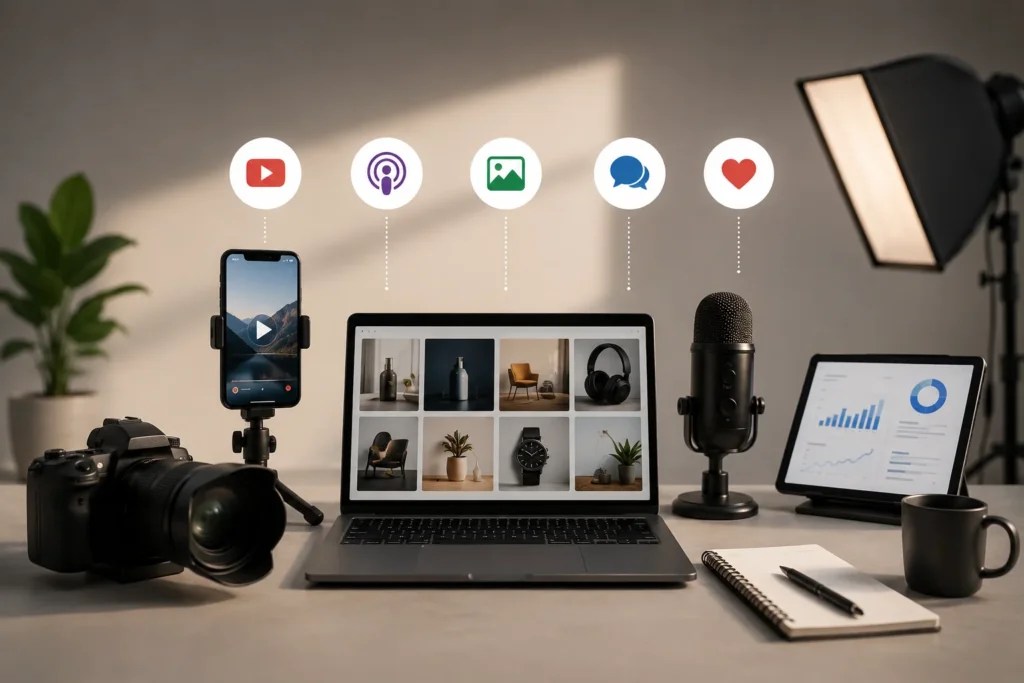
    Every customer prefers content differently. Some people enjoy watching quick videos, while others prefer detailed product demonstrations. Some trust podcasts because they feel more personal, while others are influenced by high-quality visuals.

    If your brand creates only one format, you’re likely missing a large part of your audience.

    Creating different types of content helps you:

    • Reach customers on multiple platforms
    • Improve engagement across social media
    • Build trust with potential buyers
    • Increase website traffic from different sources
    • Keep your content fresh throughout the year

    Instead of repeating the same message, brands should present it in different formats.


    1. Short-Form Video Content
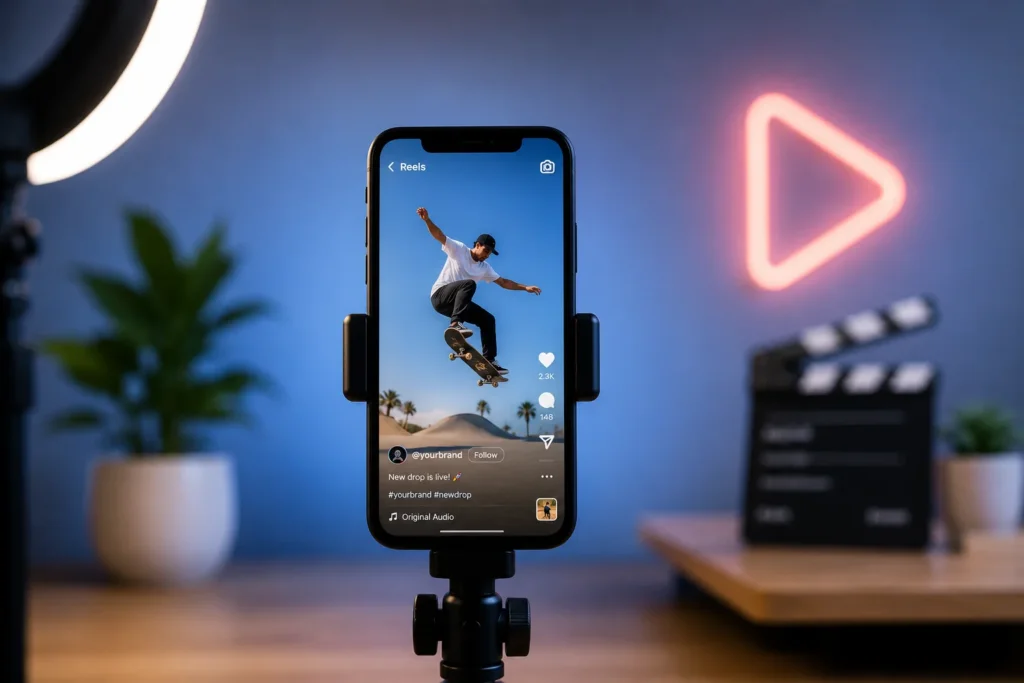
    Short videos continue to dominate social media. Platforms like Instagram Reels, YouTube Shorts, Facebook Reels, and LinkedIn videos have changed how people discover brands.

    A 20 to 60-second video can often explain more than several paragraphs of text.

    Some ideas include:

    • Quick product highlights
    • Before and after transformations
    • Tips and tricks
    • Customer reactions
    • Behind-the-scenes moments
    • Daily brand updates

    The goal isn’t perfection. Viewers usually respond better to content that feels real and useful.


    2. Product Demo & Explainer Videos
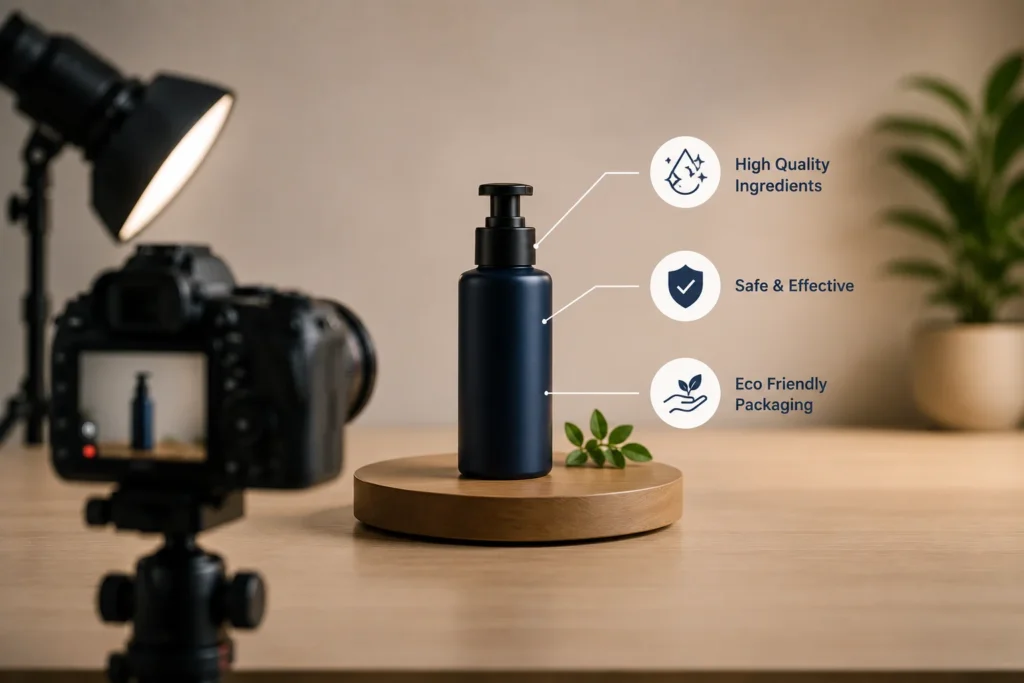
    Customers want to understand exactly what they’re buying.

    Product demonstration videos remove confusion and answer common questions before customers ask them.

    Good demo videos usually explain:

    • What the product does
    • How it works
    • Who should use it
    • Benefits over competitors
    • Real-life applications
    • Common problems it solves

    These videos also reduce customer support queries because people already know what to expect.


    3. Branded Storytelling Films
    People remember stories much longer than advertisements.

    Instead of constantly talking about products, successful brands tell stories that connect emotionally with their audience.

    Examples include:

    • The story behind your business
    • Founder journeys
    • Customer success stories
    • Manufacturing process
    • Brand mission
    • Community initiatives

    Storytelling creates emotional value, and emotional connections often lead to stronger customer loyalty.


    4. Podcast & Conversational Content
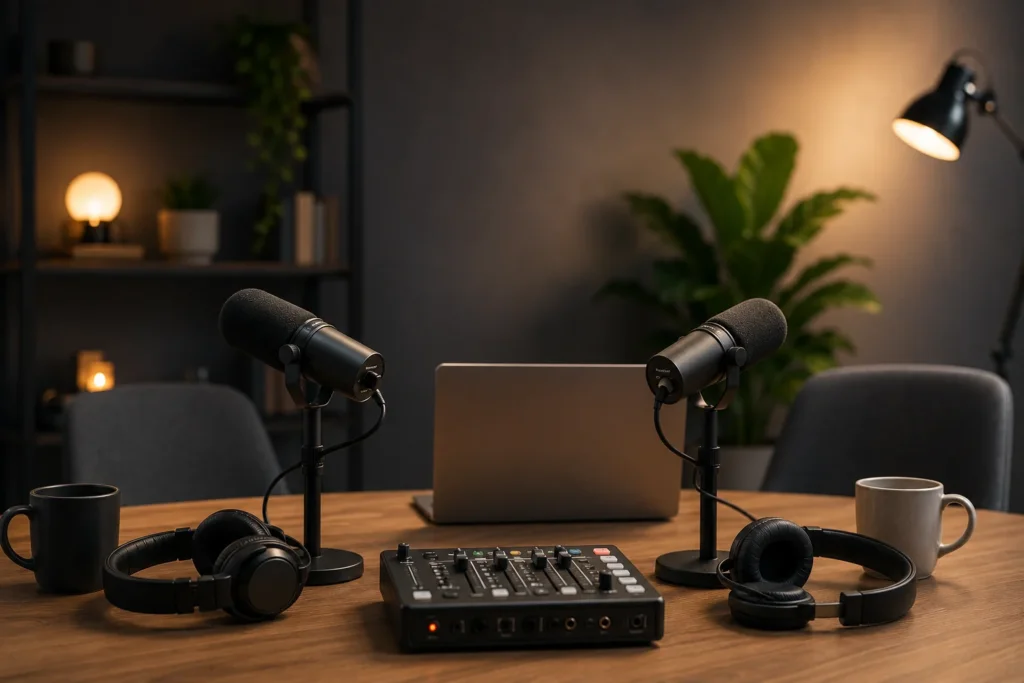
    Podcasts continue to grow because people can listen while driving, working, exercising, or travelling.

    Brands are increasingly using podcasts to share industry knowledge, interview experts, and discuss customer challenges.

    Podcast content can also be repurposed into:

    • Short social media clips
    • Blog articles
    • LinkedIn posts
    • Quote graphics
    • YouTube videos

    One recording session can generate content for several weeks.


    5. Culinary & Food Content
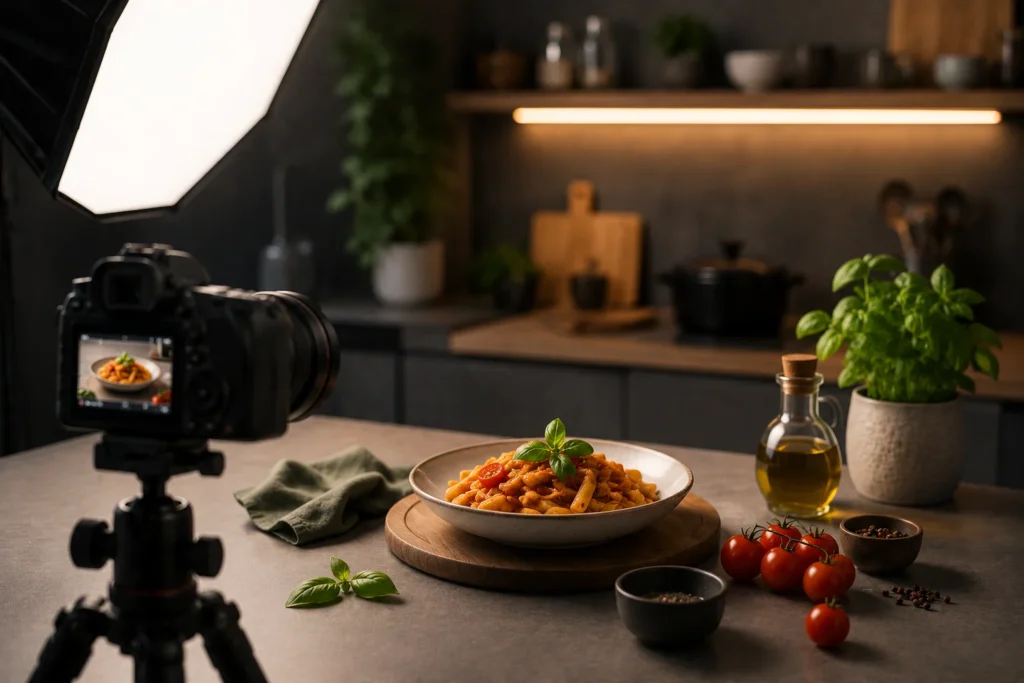
    Food content performs well because it naturally attracts attention.

    Restaurants, cafés, FMCG companies, kitchen appliance brands, grocery businesses, chefs, and even healthcare companies can benefit from food-related content.

    Popular formats include:

    • Recipe videos
    • Cooking demonstrations
    • Product styling
    • Ingredient showcases
    • Food photography
    • Kitchen tutorials
    • Brand collaborations with chefs

    Professional kitchen studios make this process easier by providing controlled lighting, modern kitchen setups, and production-ready spaces.


    6. Behind-the-Scenes & Authentic Content
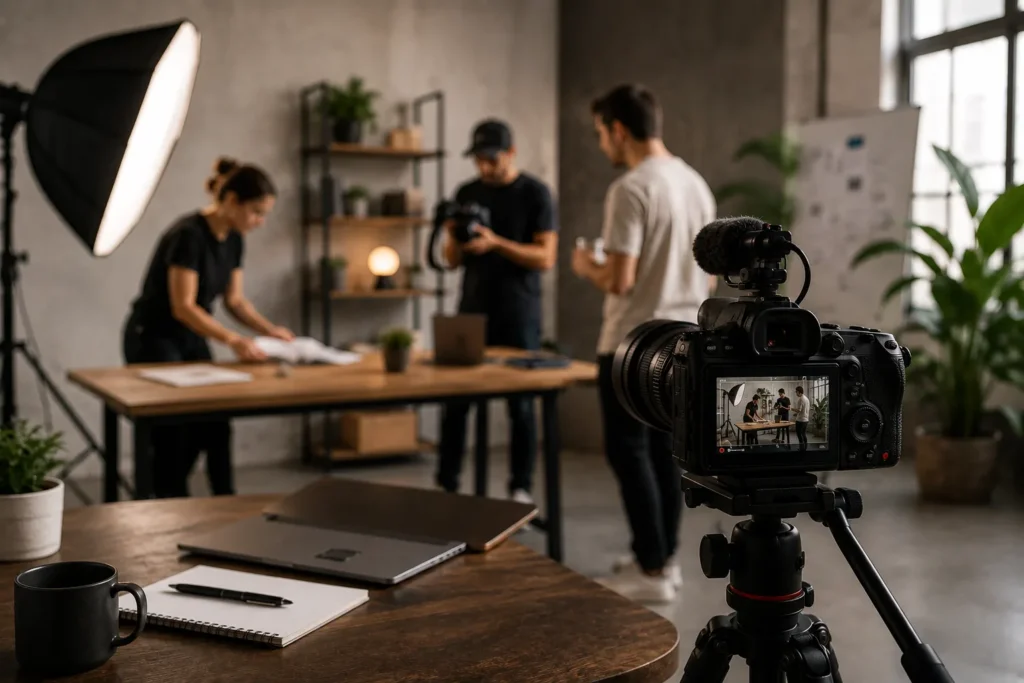
    Customers appreciate transparency.

    Showing what happens behind the camera helps brands appear more genuine and approachable.

    Ideas include:

    • Team introductions
    • Packaging process
    • Office culture
    • Photoshoot preparation
    • Studio setup
    • Production day
    • Employee stories

    This type of content often performs well because it feels less like advertising and more like everyday life.


    7. CGI, VFX & High-Impact Visuals
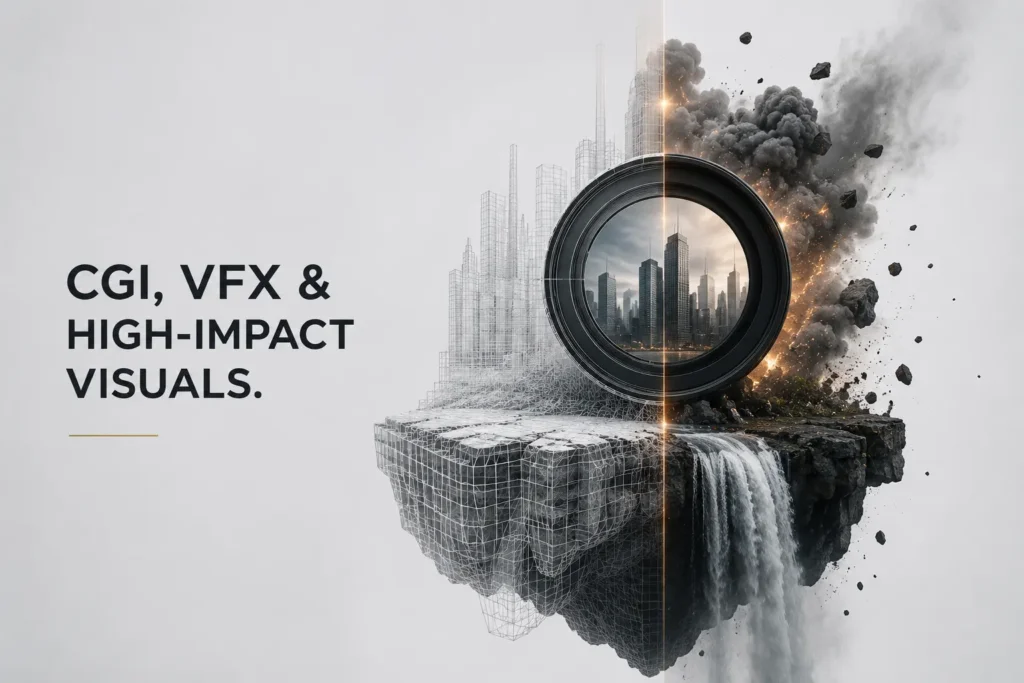
    Creative visual content is becoming more common across digital marketing.

    CGI and visual effects help brands create eye-catching campaigns that stand out in crowded social media feeds.

    Some examples include:

    • Product animations
    • Motion graphics
    • Virtual product launches
    • Creative advertisements
    • 3D product visualization
    • Cinematic brand films

    While not every business needs advanced CGI, using it for major campaigns or product launches can create a strong first impression.


    Choosing the Right Content Mix for Your Brand
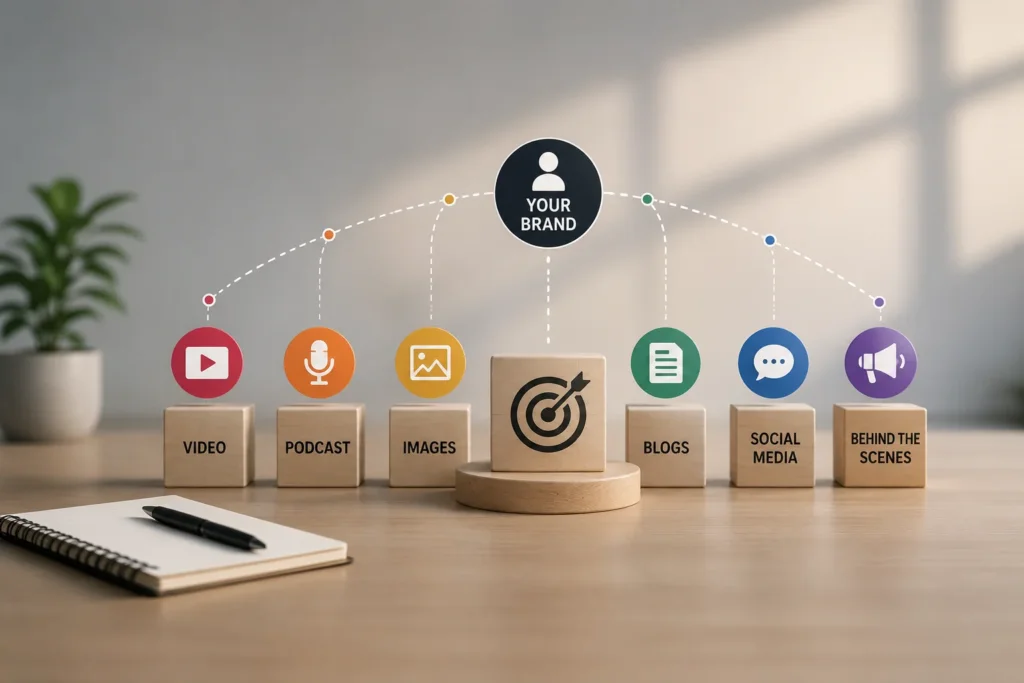
    Many businesses believe they need to create every type of content immediately. That’s rarely necessary.

    Start by understanding:

    • Where your audience spends time
    • What your customers search for
    • Your marketing goals
    • Your available budget
    • How often you can publish consistently

    A local restaurant may focus on food photography and short recipe videos, while a software company may benefit more from explainers, podcasts, and storytelling.

    The best strategy is to create content that matches your audience rather than following every trend.

    Planning content in batches also saves time and helps maintain consistency. One professional shoot can often produce enough photos, videos, and promotional material for several weeks.


    Conclusion

    Content marketing in 2026 is about variety, consistency, and authenticity. Customers interact with brands across multiple platforms, and each platform requires a different style of communication.

    Short videos grab attention, product demos answer questions, storytelling builds trust, podcasts establish authority, food content creates engagement, behind-the-scenes videos humanize your brand, and high-impact visuals leave lasting impressions.

    Instead of creating random content every week, build a structured content plan around your business goals. Working with a professional content creation studio can also make the process faster, more organized, and more cost-effective, while ensuring every piece of content reflects your brand consistently.

  • Behind the Scenes of a Professional Podcast Shoot

    Behind the Scenes of a Professional Podcast Shoot

    Behind the Scenes of a Professional Podcast Shoot

    When people watch a podcast online, it usually looks simple.

    Two people sitting comfortably. Clean background. Good conversation. Nice camera angles. Clear audio.

    That’s all most viewers see.

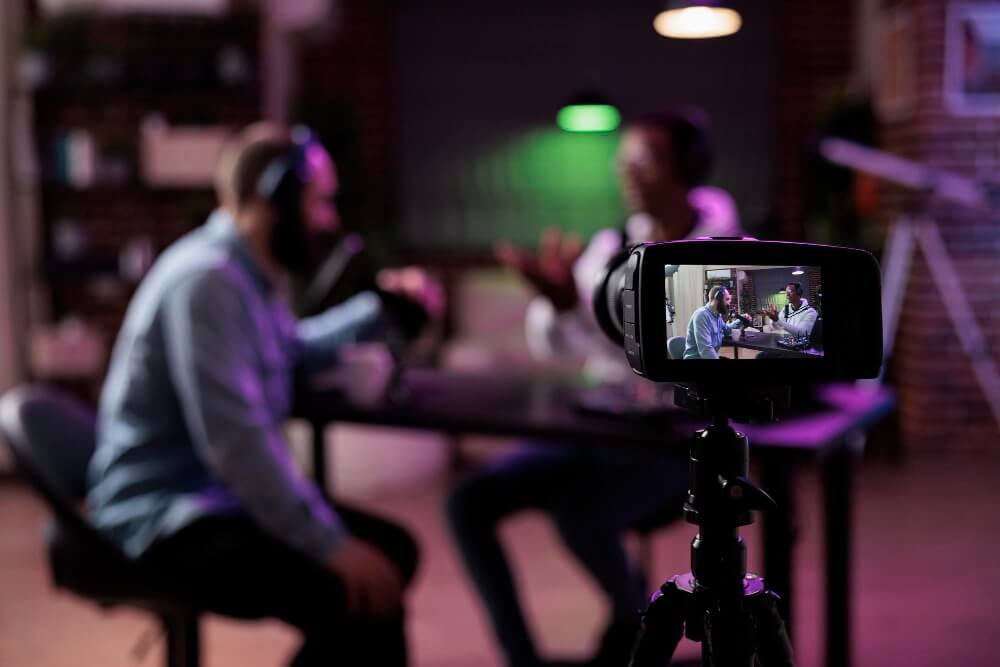
    But behind every professional podcast shoot, there’s actually a lot happening quietly in the background. Small technical things, setup adjustments, lighting corrections, audio checks, camera coordination — these details are what make a podcast feel smooth and professional without the audience even noticing.

    A lot of creators think professional podcasts only depend on expensive cameras or microphones. But honestly, that’s only one small part of it.

    The real difference usually comes from preparation, environment, and the people handling the setup.

    In this blog, we’ll talk about what really happens behind the scenes of a professional podcast shoot and why these details matter more than most people realize.


    The Shoot Usually Starts Long Before Recording

    One thing many beginners don’t know is this:

    The actual conversation may last one hour, but the setup process can easily take much longer.

    Before guests even arrive, teams usually prepare:

    • camera placement
    • lighting setup
    • sound testing
    • background styling
    • seating arrangement
    • mic positioning
    • frame composition

    Professional podcast shoots rarely happen randomly.

    Even podcasts that look “casual” are often carefully planned behind the scenes.


    Audio Testing Takes More Time Than People Expect

    Good podcast audio is not accidental.

    Before recording starts, creators or studio teams normally test:

    • microphone levels
    • room echo
    • background noise
    • voice balance
    • headphone monitoring
    • cable connections

    Sometimes even air conditioners or small table vibrations affect recording quality.

    One small issue in audio can ruin an entire episode later.

    That’s why professional setups spend serious time checking sound before recording begins.

    Honestly, viewers may forgive average visuals sometimes.
    But they notice bad audio very quickly.


    Lighting Is More Important Than Most Creators Think

    A lot of people assume podcast lighting simply means making everything brighter.

    Actually, bad lighting can make even expensive cameras look average.

    Professional podcast shoots usually focus on:

    • reducing harsh shadows
    • balancing skin tones
    • separating subject from background
    • creating depth in the frame
    • avoiding reflections

    Soft lighting often works best because it keeps the podcast visually comfortable to watch for long periods.

    Some creators also change lighting style depending on the type of podcast.

    For example:

    • business podcasts often use clean neutral tones
    • entertainment podcasts may use warmer or darker lighting
    • lifestyle podcasts sometimes use softer cinematic setups

    These little decisions change the entire mood of the content.


    Camera Angles Are Planned Carefully

    In professional podcast shoots, cameras are rarely placed randomly.

    Most setups include:

    • wide angle shot
    • close-up shots
    • guest-focused camera
    • host-focused camera

    This gives editors more flexibility later.

    Even small angle adjustments matter because podcasts are now heavily consumed on YouTube, Instagram clips, and reels.

    A static frame for one hour can feel visually boring very fast.

    That’s why multi-camera setups have become common even for smaller creators now.


    The Environment Changes the Energy of the Podcast

    This part is very underrated.

    The space where the podcast is recorded directly affects how people speak.

    In uncomfortable setups:

    • guests become stiff
    • conversations feel forced
    • body language looks awkward
    • energy drops quickly

    But when the environment feels relaxed and professionally managed, conversations flow naturally.

    Good studios quietly help people feel more confident on camera.

    This is one reason many creators now prefer dedicated podcast studios instead of temporary home setups.


    Professional Podcast Shoots Need Constant Small Adjustments

    During recording, teams continuously monitor things that viewers never notice.

    Like:

    • microphone movement
    • camera battery levels
    • memory storage
    • focus shifts
    • lighting consistency
    • background disturbances
    • unwanted noises

    Sometimes recordings pause for very small corrections.

    Even moving a chair slightly can affect sound quality.

    Professional podcast production is often about preventing tiny problems before they become big editing issues later.


    Editing Starts Before the Shoot Ends

    Many people think editing only starts after recording.

    But in professional shoots, creators already think about editing during filming itself.

    For example:

    • pauses are managed carefully
    • reaction shots are captured
    • transitions are planned
    • clip-worthy moments are noticed live

    This makes it easier to create:

    • short-form clips
    • YouTube highlights
    • Instagram reels
    • promotional snippets

    Today, podcasts are not just long conversations anymore.
    One episode often becomes dozens of content pieces later.


    Why Background Design Matters in Podcasts

    Viewers notice backgrounds more than creators think.

    A messy or distracting background can reduce the professional feel instantly.

    Professional podcast spaces usually balance:

    • aesthetics
    • brand identity
    • color tones
    • lighting compatibility
    • camera depth

    Some podcasts use minimal setups.
    Others prefer lifestyle or luxury-style backgrounds.

    There’s no single perfect style.
    The setup should match the personality of the content.


    Kitchen Podcast Shoots Are Growing Fast

    One interesting trend now is kitchen-style podcast and creator content.

    Many food creators, chefs, lifestyle influencers, and brands are mixing:

    • conversations
    • cooking
    • storytelling
    • product showcasing

    These shoots need a completely different setup compared to traditional podcasts.

    Lighting, camera movement, and space design become much more dynamic.

    That’s why dedicated kitchen shoot spaces are becoming increasingly popular among creators and brands.


    Why More Creators Are Moving to Professional Studios

    Home podcast setups work for some people in the beginning.

    But after a point, creators usually start facing problems like:

    • inconsistent sound
    • lighting struggles
    • setup time
    • lack of space
    • technical issues
    • background distractions

    Professional studios solve many of these problems together.

    Instead of spending hours adjusting equipment, creators can focus directly on:

    • content quality
    • guest interaction
    • storytelling
    • production consistency

    This saves both time and creative energy.


    Create Better Podcast Content at Studio Dream Frame

    If you are looking for a professional space for podcast shoots, kitchen shoots, or brand content creation in Gurgaon, Studio Dream Frame offers creative studio spaces designed for modern content creators and brands.

    Their spaces are suitable for:

    • podcast recording
    • video podcasts
    • kitchen shoots
    • product shoots
    • brand campaigns
    • creator collaborations
    • social media content production

    A professionally designed environment helps creators record smoother, cleaner, and more visually appealing content without constantly worrying about technical setup problems.

    Whether you are starting your first podcast or building regular branded content, the recording environment genuinely makes a huge difference.


    FAQs

    What happens behind the scenes in a podcast shoot?

    Behind the scenes, teams handle audio testing, lighting setup, camera positioning, background styling, and technical monitoring to ensure smooth recording quality.

    Why is audio so important in podcasts?

    Good audio keeps listeners comfortable and engaged. Poor sound quality often makes viewers stop watching quickly.

    How long does a professional podcast setup take?

    Depending on the setup complexity, preparation may take anywhere from 30 minutes to several hours before recording begins.

    Do professional podcasts use multiple cameras?

    Yes, many professional podcasts use multiple camera angles to make the content visually engaging and easier to edit later.

    Why do creators use podcast studios instead of home setups?

    Studios provide better acoustics, lighting, equipment setup, and a distraction-free environment for smoother content production.

    Where can I rent a professional podcast studio in Gurgaon?

    You can book creative podcast, kitchen shoot, and brand shoot spaces at Studio Dream Frame for professional content creation.

  • Common Audio Mistakes in Podcast Recording

    Common Audio Mistakes in Podcast Recording

    Common Audio Mistakes in Podcast Recording

    Podcasting has become very common now. Everyone wants to start a podcast — creators, business owners, coaches, chefs, influencers, even local brands. And honestly, starting is not difficult anymore. A microphone, a camera, and a quiet room feel enough in the beginning.

    But after recording the first few episodes, most people notice something strange.

    The conversation may be good. The guest may be interesting. The camera quality may even look professional.

    Still, the podcast doesn’t feel good to watch or listen to.

    Most of the time, the real problem is audio.

    People can ignore average visuals for some time, but they usually leave quickly when the sound feels irritating, echoey, too sharp, too low, or uncomfortable in headphones.

    And the surprising part is this — many podcast audio mistakes are very small things people never think about.

    This blog is not about expensive equipment or technical studio language. It’s about real recording mistakes people make every day and how those small issues quietly damage the overall podcast experience.


    1. Recording in a “Quiet” Room That Isn’t Actually Quiet

    A room can feel silent to us but still sound noisy inside a microphone.

    This happens a lot.

    You start recording and don’t notice:

    • fan vibration
    • AC humming
    • distant traffic
    • construction sounds
    • laptop cooling fan
    • light buzzing
    • chair movement
    • phone vibration on table

    Human ears naturally ignore background sounds after a few minutes. Microphones don’t.

    That’s why many podcasts sound distracting even when creators think the setup was fine.

    One thing experienced podcasters do before recording is very simple:
    they sit silently with headphones for 20–30 seconds.

    Suddenly all hidden sounds become obvious.

    It sounds basic, but it genuinely helps.


    2. Speaking Too Close to the Mic

    This is another common beginner mistake.

    People think speaking very close to the microphone makes the voice sound “radio-like.” Sometimes it actually makes things worse.

    You start hearing:

    • heavy breathing
    • harsh “P” and “B” sounds
    • mouth clicks
    • uncomfortable bass sound

    The voice starts feeling too aggressive inside headphones.

    On the other hand, sitting too far makes audio weak and empty.

    The best podcast recordings usually sound natural because the speaker maintains a comfortable, consistent distance from the mic instead of constantly moving around.

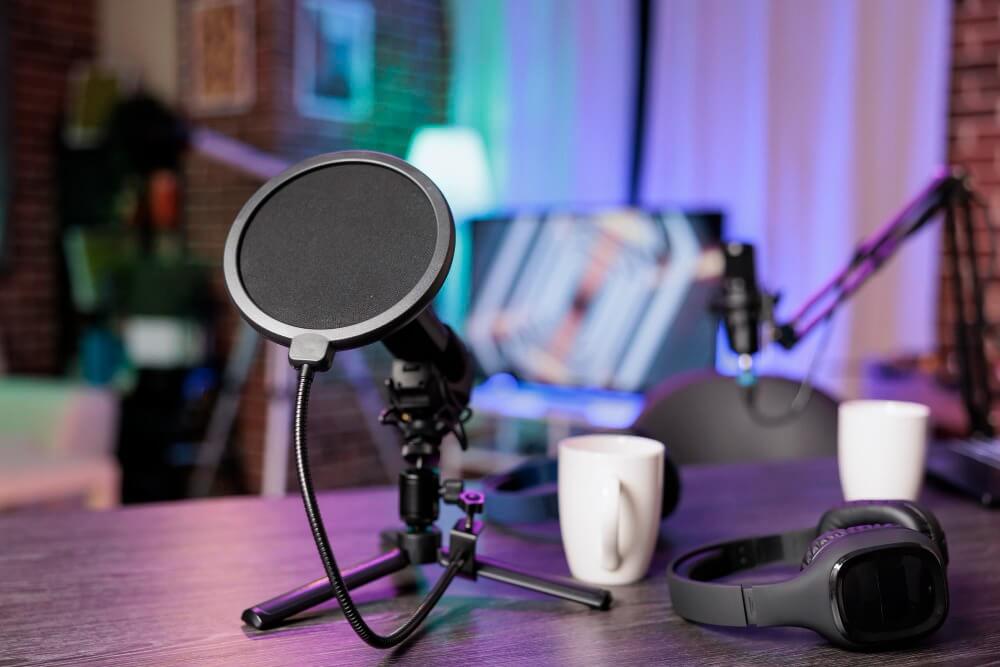
    A simple pop filter also helps more than most people realize.


    3. Forgetting That Empty Rooms Create Bad Audio

    This issue ruins many home podcasts.

    A room may look beautiful on camera but sound terrible during recording.

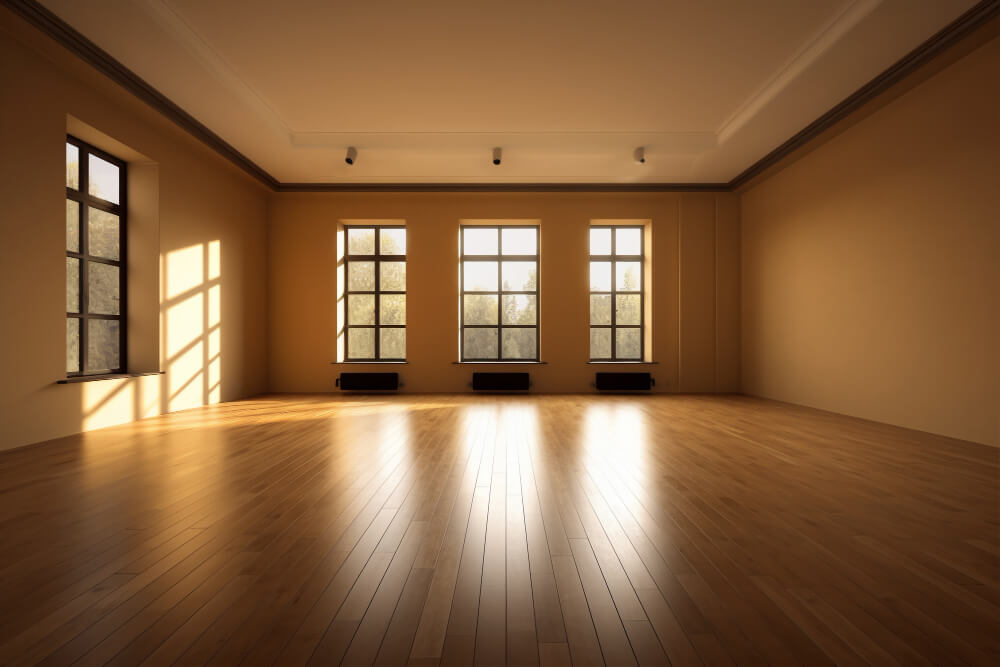
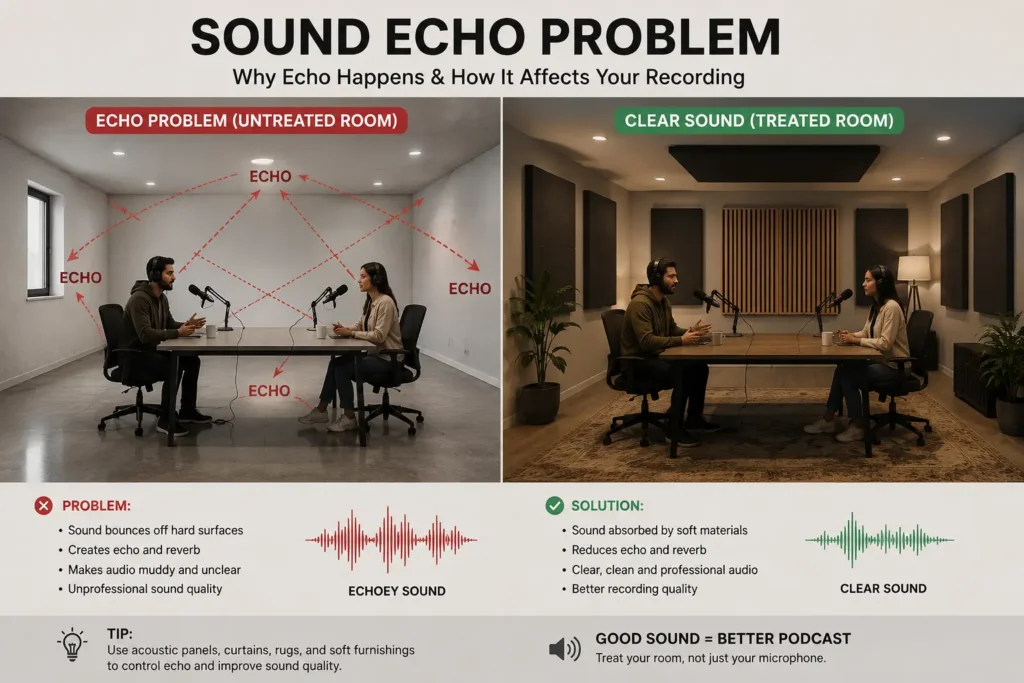
    Big empty rooms create reflections. Voice bounces from walls, tiles, glass, and ceilings. That echo gives podcasts a cheap or unprofessional feeling instantly.

    What’s interesting is that expensive microphones often capture echo even more clearly.

    Many creators keep upgrading equipment without fixing the actual room.

    Sometimes adding simple things helps:

    • curtains
    • carpets
    • sofas
    • cushions
    • bookshelves

    Soft surfaces reduce sound reflection naturally.

    Professional podcast studios spend more effort on room acoustics than people usually imagine.


    4. Trying to Sound “Perfect”

    This one is less technical but very real.

    Many new podcasters become too conscious while recording.

    They try to:

    • sound overly polished
    • remove every pause
    • speak in a fake deep voice
    • copy famous podcasters
    • force energy constantly

    The result becomes unnatural very quickly.

    Ironically, listeners usually connect more with real conversations than perfect delivery.

    Natural pauses, small laughs, slight imperfections — these things make podcasts feel human.

    A comfortable conversation always sounds better than a scripted performance.


    5. Poor Guest Audio During Online Podcasts

    This problem has become extremely common now because many podcasts happen remotely.

    The host may have professional audio, but the guest joins from:

    • a noisy café
    • echoey room
    • mobile earphones
    • laptop microphone
    • unstable internet

    Then the full episode sounds inconsistent.

    One speaker sounds clean while the other sounds distant or distorted.

    A simple pre-call setup check can prevent most of these issues.

    Good hosts usually guide guests before recording:

    • use headphones
    • sit in a quieter space
    • avoid ceiling fans
    • keep phone notifications off
    • test internet connection

    Small preparation changes the entire recording quality.


    6. Ignoring Voice Fatigue

    This is something people rarely talk about.

    Long podcast sessions affect voice energy.

    After 40–50 minutes:

    • voices become flatter
    • pronunciation weakens
    • breathing changes
    • speaking speed drops

    Listeners may not identify the exact issue, but they feel the drop in energy.

    Professional podcast recordings often include short breaks even during conversational episodes.

    Water also matters more than people think during recording.

    Dry mouth sounds are very noticeable in studio microphones.


    7. Using Too Much Noise Removal

    • A lot of creators over-edit audio because they want “clean” sound.
    • But aggressive noise removal creates robotic voices.
    • Sometimes podcasts start sounding artificial, hollow, or metallic.
    • Clean audio is good.
      Over-processed audio feels tiring.
    • The best podcast sound usually feels balanced — clear but natural.
    • That’s why recording quality matters more than trying to repair everything later.

    8. Bad Seating Arrangement

    This sounds small, but it affects podcast sound a lot.

    If guests sit awkwardly:

    • they move constantly
    • chairs create noise
    • voices change direction
    • mic levels fluctuate

    Comfort directly affects audio consistency.

    Professional studios plan furniture placement carefully for this reason.

    Good posture and relaxed seating make conversations smoother automatically.


    9. Recording Without Checking Headphones

    Many creators trust the visual audio meter only.

    That’s risky.

    Sometimes everything looks fine while the actual sound has:

    • static noise
    • cable crackling
    • low hum
    • distorted levels
    • missing channel audio

    Monitoring with headphones during recording saves entire episodes.

    Experienced podcasters almost never skip this step.


    10. Choosing the Wrong Space for the Type of Podcast

    Different podcast formats need different environments.

    A serious business interview needs a controlled setup.
    A food podcast may need a warmer lifestyle setting.
    A video podcast needs both sound quality and visual aesthetics.

    A lot of creators try adjusting one random room for everything.

    That usually creates compromise in both audio and visuals.

    This is one reason content creators now prefer dedicated creative studios instead of temporary home setups.


    Podcast Audio Is More About Environment Than Equipment

    One thing many beginners misunderstand is this:

    Better microphones alone do not create better podcasts.

    Environment matters more.

    A decent microphone inside a professionally treated space often sounds far better than expensive gear used in a noisy room.

    That’s why experienced creators focus heavily on:

    • room acoustics
    • furniture placement
    • sound control
    • comfortable recording setup
    • lighting balance for video podcasts

    The entire environment affects content quality.


    Why More Creators Are Using Professional Podcast Studios

    Content creation has become more competitive now.

    Viewers notice quality immediately.

    A proper studio saves creators from constantly worrying about:

    • setup issues
    • echo problems
    • bad lighting
    • technical adjustments
    • background distractions

    It also helps creators stay focused on the conversation instead of fixing equipment during recording.

    For brands, coaches, influencers, chefs, and businesses creating regular content, this becomes a major advantage.


    Record Better Content at Studio Dream Frame

    If you are searching for a professional creative space in Gurgaon for podcast recording, brand shoots, kitchen shoots, or content creation, Studio Dream Frame offers ready-to-use studio spaces designed for creators and businesses.

    Their studio spaces are useful for:

    • podcast recording
    • video podcasts
    • food and kitchen shoots
    • product shoots
    • brand campaigns
    • creator collaborations
    • social media content

    Instead of struggling with room setup, echo problems, or inconsistent recordings, creators can focus directly on producing better content.

    A professional environment genuinely changes how content looks, sounds, and feels.


    FAQs

    Why does my podcast sound unprofessional even with a good mic?

    Most podcast audio problems come from room acoustics and background noise, not the microphone itself.

    Is echo the biggest podcast recording problem?

    For many beginners, yes. Echo makes audio feel distant and unpleasant very quickly.

    How can I improve podcast audio without buying expensive gear?

    Use a quieter room, reduce sound reflections, maintain proper mic distance, and monitor audio using headphones.

    Do podcast listeners really care about audio quality?

    Yes. People may continue watching average visuals, but poor audio often makes them leave within minutes.

    Should I record podcasts at home or in a studio?

    Home setups can work, but professional studios usually provide more consistent audio quality and save recording time.

    Where can I rent a podcast studio in Gurgaon?

    You can book professional podcast and creator-friendly studio spaces at Studio Dream Frame for podcasts, kitchen shoots, brand shoots, and content production.

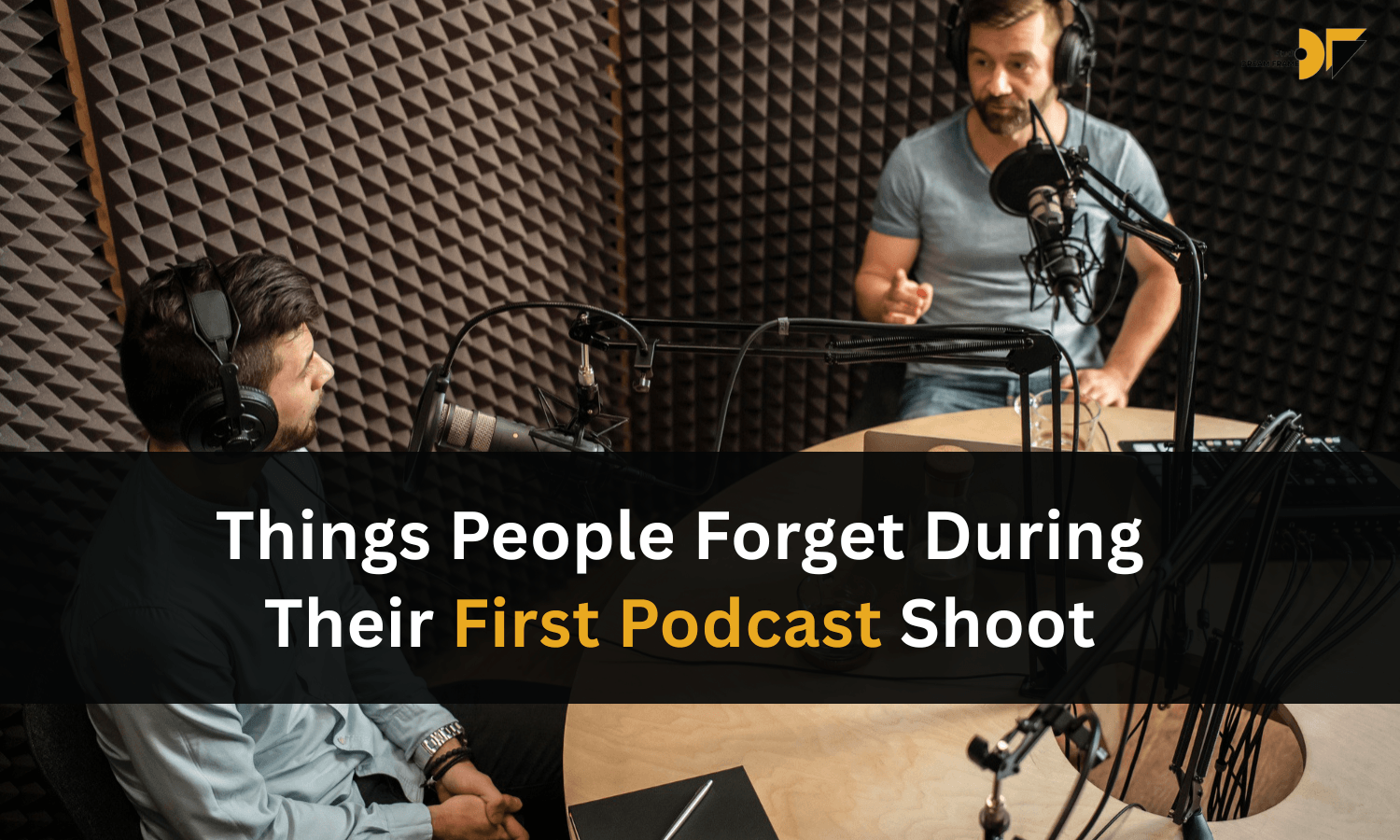
  • Things People Forget During Their First Podcast Shoot

    Things People Forget During Their First Podcast Shoot

    Things People Forget During Their First Podcast Shoot

    A lot of people think podcast shoots are easy until they actually sit down for one.

    Before the first shoot, most creators usually focus on exciting things like:

    • camera quality
    • studio setup
    • background aesthetics
    • thumbnails
    • microphones

    But once the recording starts, small practical things become the real challenge.

    Sometimes the setup looks amazing but the audio feels uncomfortable. Sometimes the conversation is good but the person on camera looks nervous the entire time. And honestly, many first podcast shoots feel a little awkward in the beginning. That is normal.

    The funny thing is that most of the mistakes people make during podcast shoots are not technical mistakes. They are simple things nobody thinks about before recording day.

    Over time, creators slowly learn these things through experience. But if you are planning your first podcast shoot, knowing these points beforehand can genuinely save a lot of frustration later.


    Most People Don’t Realize How Different Recording Feels

    Talking casually with friends and recording a podcast are completely different experiences.

    The moment cameras, lights, microphones, and headphones are placed in front of someone, the atmosphere changes immediately. Even confident people suddenly become more conscious.

    You start noticing things you never think about normally:

    • where to look
    • how to sit
    • what to do with hands
    • whether you sound confident
    • whether your voice sounds strange

    A lot of first-time creators expect the conversation to flow naturally from the first minute, but usually the first 10–15 minutes feel slightly uncomfortable.

    That is why many experienced hosts spend time casually talking before starting the actual recording.


    People Spend Too Much on Cameras and Ignore Audio

    This happens almost everywhere now.

    Someone buys:

    • expensive DSLR
    • cinematic lens
    • RGB lights
    • stylish background

    but records audio in a room with echo.

    And honestly, bad audio destroys podcast quality faster than average video quality.

    Most viewers can tolerate basic visuals for some time, but uncomfortable audio makes people leave quickly. If the voice has echo, sharpness, low clarity, or background disturbance, the podcast immediately feels unprofessional even if the discussion itself is good.

    This is why podcast studios focus heavily on sound control.

    Good audio usually comes from:

    • proper mic placement
    • controlled room acoustics
    • reduced echo
    • balanced sound levels
    • quiet environment

    not only from expensive microphones.


    Echo Is a Bigger Problem Than Most Beginners Think

    This is one of the biggest surprises during first shoots.

    A room may look visually beautiful but still sound terrible on recording.

    Large empty spaces, marble flooring, plain walls, glass windows, and open rooms create reflections that microphones easily capture. During normal conversation people do not notice this much, but microphones pick up everything.

    That hollow sound instantly makes the recording feel cheap.

    A lot of creators try home setups initially and later realize that sound treatment matters much more than they expected.

    Even simple things like:

    • curtains
    • carpets
    • cushions
    • acoustic panels

    can improve sound dramatically.

    This is one reason why professional podcast spaces feel cleaner and more comfortable in recordings.


    Sitting Naturally Is Harder Than It Looks

    Most people think:

    But once recording starts, posture suddenly becomes weird.

    Some people become too stiff.
    Some lean too much.
    Some keep adjusting themselves every few seconds.

    And on camera, small movements look much more noticeable than in real life.

    People also forget that podcast recording usually lasts much longer than normal conversations. Sitting uncomfortably for one hour becomes exhausting very quickly.

    Comfortable seating actually matters a lot more than people realize.


    Lighting Changes the Entire Mood of the Podcast

    Lighting is not only about brightness.

    It completely changes:

    • mood
    • skin tone
    • background feel
    • professionalism
    • overall atmosphere

    A lot of first podcast setups use random white lights from the room itself. The result usually looks flat and harsh on camera.

    Soft and balanced lighting makes conversations feel warmer and easier to watch.

    Even very simple podcast setups can look premium with proper lighting angles.

    This is why creators eventually start paying attention to:

    • key lights
    • fill lights
    • warm tones
    • background separation

    instead of just increasing brightness.


    Most First-Time Guests Feel Nervous

    Even people who speak confidently in real life sometimes freeze slightly during recording.

    Once microphones are attached and cameras start rolling, people suddenly become more aware of:

    • pronunciation
    • facial expressions
    • pauses
    • mistakes

    Many guests also think they need to sound “perfect,” which actually makes the conversation less natural.

    The best podcasts usually feel like normal conversations instead of formal interviews.

    That relaxed feeling takes time to build.


    People Forget How Tiring Shoots Can Be

    Podcast shoots may look simple from outside, but long recordings become mentally exhausting.

    There are many small things happening continuously:

    • retakes
    • sound checks
    • camera adjustments
    • lighting changes
    • pauses
    • topic planning

    Even a 40-minute podcast can easily take 2–3 hours overall.

    This is why creators often forget practical things like:

    • water
    • snacks
    • extra batteries
    • memory cards
    • charging cables

    and later regret it during the session.


    Background Setup Affects Viewer Attention

    Many beginners underestimate backgrounds.

    A distracting background pulls attention away from the actual conversation very quickly.

    Too much decoration, random objects, clutter, or poor color combinations make the podcast feel visually confusing.

    This is why most professional podcast setups look clean and balanced instead of overloaded.

    Simple backgrounds usually work better because viewers stay focused on the speakers.


    Technical Problems Usually Happen at the Worst Time

    This is almost unavoidable during early shoots.

    Things people forget:

    • memory card full
    • mic battery low
    • camera overheating
    • cable loose
    • audio not recording properly
    • wrong camera settings

    And unfortunately these mistakes are often discovered after recording finishes.

    That is why experienced creators always test everything before starting actual recording.

    Even a 5-minute technical check can prevent major problems later.


    Shooting at Home Sounds Easy Until You Actually Try It

    A lot of creators initially think home setup will save money.

    But home shoots create many unexpected problems:

    • traffic noise
    • fan noise
    • echo
    • interruptions
    • poor lighting
    • limited camera angles
    • cluttered background

    Sometimes even simple recording becomes stressful because too many things need to be managed together.

    This is why many creators eventually move to rental studios after a few shoots. It removes technical pressure and allows more focus on the actual content.


    Why More Creators Are Using Professional Podcast Studios

    Podcasts today are no longer just audio recordings.

    Now creators also use podcasts for:

    • YouTube content
    • Instagram reels
    • short clips
    • brand collaborations
    • social media marketing

    Because of this, visual presentation matters much more than before.

    Professional podcast studios help creators by providing:

    • proper acoustics
    • aesthetic setup
    • lighting arrangement
    • comfortable seating
    • cleaner recording environment

    without needing to manage everything individually.

    For first-time creators especially, this makes the process much smoother.


    Studio Dream Frame – Podcast & Content Shoot Space in Gurgaon

    For creators, brands, and businesses looking for a practical content production setup, Studio Dream Frame offers studio spaces in Gurgaon designed for podcasts, brand shoots, kitchen shoots, and content production.

    The spaces are designed keeping modern creators in mind, so people can focus more on recording and less on managing technical setup issues.

    Whether someone is recording:

    • podcasts
    • interviews
    • brand conversations
    • social media content
    • food videos

    having a proper setup saves a lot of time and effort during production.


    Final Thoughts

    Honestly, almost every creator feels underprepared during their first podcast shoot.

    That is normal.

    Most people only realize the importance of:

    • sound quality
    • room setup
    • lighting
    • comfort
    • preparation

    after experiencing an actual recording session.

    And usually the biggest lesson is this:

    Good podcasts are not created only with expensive equipment.

    They feel good when the environment feels comfortable, natural, and easy for conversation.

    That is what people actually connect with while watching.

  • Digital Content Production Studio for Marketing & Branding

    Digital Content Production Studio for Marketing & Branding

    Digital Content Production Studio for Marketing & Branding

    These days almost every business is trying to create content.

    Some are posting reels every day.
    Some are starting podcasts.
    Some are uploading product videos.
    And honestly, many businesses are doing it simply because everyone else is doing it too.

    But after some time, most brands realize something important.

    Creating content is one thing.
    Creating content that actually feels connected to your brand is completely different.

    And this is usually where people start looking for a proper digital content production studio.

    Not because they suddenly want “cinatic” videos or huge production.

    Mostly because content becomes difficult to manage after a point.

    The lighting changes every time.
    Audio quality keeps getting disturbed.
    The background never looks consistent.
    Half the energy goes into setup instead of actual recording.

    This happens with a lot of businesses now.

    Especially small brands and growing companies.


    Content Creation Looks Easy Online… But It Isn’t Always

    Sometimes social media makes content creation look very simple.

    You see a 30-second reel and think:
    “Okay, we can also shoot this quickly.”

    But when you actually start doing it, small problems keep happening.

    Someone walks into the frame.
    The room looks too dark.
    Audio has echo.
    The kitchen looks messy.
    The product doesn’t look good on camera.
    You record multiple takes and still don’t like the output.

    And slowly people lose consistency.

    This is one of the biggest reasons brands stop posting content regularly.

    Not because they don’t want to create content.

    Mostly because the process becomes exhausting.


    What a Digital Content Production Studio Actually Does

    Many people think a studio is only for influencers or big YouTubers.

    That’s not true anymore.

    Today even normal businesses use studio spaces because it simply makes work easier.

    A digital content production studio gives you:

    • proper recording setup
    • cleaner background
    • better lighting
    • organized shooting environment
    • less distraction during shoots

    And honestly, when the setup is already ready, people naturally feel more confident on camera too.

    That matters a lot.

    Because awkward energy always shows in videos.


    Branding Today Is More About Familiarity

    Earlier branding was mostly logos, banners, and advertisements.

    Now branding feels different.

    Today people remember:

    • how your videos look
    • how your team talks
    • how your products are presented
    • how consistent your content feels

    Even simple things create impression now.

    For example:

    If someone sees your content repeatedly with:

    • clean setup
    • similar style
    • recognizable environment

    your brand automatically starts feeling more professional.

    Even without saying much.

    This is why consistency matters more now than “viral content.”


    Most Businesses Don’t Need Huge Production

    This is another thing people misunderstand.

    You don’t always need:

    • expensive cameras
    • heavy editing
    • huge crews
    • dramatic cinematic shots

    Actually, overly polished content sometimes feels less trustworthy now.

    People connect more with:

    • natural conversations
    • realistic product demonstrations
    • simple educational videos
    • behind-the-scenes clips
    • founder talking videos

    That style feels more genuine.

    And audiences can immediately tell when content is trying too hard.


    Why Podcast-Style Content Is Growing So Fast

    One thing that changed recently is how people consume information.

    People don’t always want advertisements.

    Sometimes they just want conversations.

    That’s why podcast clips are everywhere now.

    Even businesses are using podcast-style content because:

    • it feels relaxed
    • information sounds more natural
    • audiences stay longer
    • clips can be reused across platforms

    A single 40-minute podcast can become:

    • Instagram reels
    • YouTube Shorts
    • LinkedIn clips
    • blog snippets
    • promotional content

    So instead of creating content separately every day, brands are repurposing one recording into multiple formats.

    This saves a lot of effort.


    Food & Kitchen Content Has Also Changed

    Food-related content has become very competitive now.

    People don’t only look at the food anymore.

    They notice:

    • kitchen setup
    • camera angles
    • cleanliness
    • plating
    • lighting
    • overall presentation

    And honestly, kitchen content shot in random spaces usually looks inconsistent.

    Sometimes shadows ruin the video.
    Sometimes the background feels distracting.
    Sometimes there’s no proper space to move the camera.

    That’s why dedicated kitchen studios are becoming useful for:

    • chefs
    • food creators
    • bakeries
    • cafes
    • cookware brands
    • recipe creators

    Because the setup is already built for visual content.


    One Thing Most Brands Realize Late

    A lot of businesses spend money on ads before improving content quality.

    But weak content usually makes ads weaker too.

    Even if you run paid marketing, people still check your profile first.

    And if your content looks confusing or inconsistent, trust drops quickly.

    Good content quietly supports:

    • marketing
    • branding
    • engagement
    • credibility
    • conversions

    It all connects together.


    Why Rental Studios Make More Sense Now

    Building your own setup sounds exciting initially.

    But maintaining it becomes difficult.

    You need:

    • lights
    • equipment
    • proper room setup
    • sound control
    • space management

    And honestly, most businesses don’t want to handle all that regularly.

    That’s why many brands now simply rent professional spaces when needed.

    It’s easier.

    You come, shoot content, finish your work, and leave.

    No long setup process every single time.


    Studio Dream Frame Makes This Process Easier

    If your brand creates content regularly or plans to start seriously, Studio Dream Frame is actually built around this type of setup.

    They provide:

    • kitchen studio spaces
    • podcast studios
    • brand shoot spaces

    So businesses and creators can directly focus on recording instead of arranging everything manually.

    Their setup works well for:

    • podcasts
    • cooking videos
    • branding shoots
    • social media content
    • interviews
    • product showcases
    • founder videos

    And honestly, that practical setup matters more than people think.

    Because when the environment already looks camera-ready, content creation becomes much smoother.

    You can check them here: https://studiodreamframe.com/


    Something People Don’t Talk About Enough

    Content creation becomes easier when the process feels repeatable.

    That’s actually the main thing.

    If every shoot feels stressful, eventually consistency breaks.

    But when you already know:

    • where you’ll shoot
    • how it will look
    • what setup is available

    you stop overthinking and start creating more.

    And over time, consistency creates stronger branding than occasional perfect content.


    Final Thoughts

    Digital content production is no longer only for large companies.

    Now even small brands are building visibility through:

    • podcasts
    • reels
    • educational videos
    • product demonstrations
    • simple conversational content

    Because people want to understand brands before trusting them.

    And honestly, content does that better than most advertisements now.

    You don’t need to make things look perfect.

    You just need content that feels:

    • clear
    • real
    • understandable
    • consistent

    That usually works better anyway.


    FAQs

    1. What is a digital content production studio?

    It’s a professional space designed for creating videos, podcasts, product shoots, and branding content.

    2. Why do businesses need content studios?

    Studios help improve content quality, consistency, lighting, and overall presentation without building

    3. What type of content can brands create there?setups from scratch.

    Brands can create:
    podcasts
    reels
    food videos
    interviews
    marketing videos
    product shoots
    social media content

    4. Is professional content necessary for small businesses?

    Not overly professional content — but clear and consistent content definitely helps small businesses grow online.

    5. Why are podcast videos popular for branding?

    Because they feel more natural and conversational compared to traditional advertisements.

  • Commercial Video Production Company for Ads, Brand Films & Marketing Campaigns

    Commercial Video Production Company for Ads, Brand Films & Marketing Campaigns

    Commercial Video Production Company for Ads

    If you look at how brands are growing today, one thing becomes very clear—video is no longer optional. It’s the first thing people notice, the fastest way to communicate, and often the deciding factor behind whether someone trusts your brand or scrolls past it.

    Think about your own behavior. When you see a product online, do you read everything first, or do you watch the video? Most people choose the video. That’s exactly why brands are investing heavily in commercial video production—not just to look good, but to perform better.

    But here’s the catch: not every video works.
    Some videos look good but don’t convert. Others are informative but fail to engage. The difference lies in strategy + storytelling + execution—and that’s where a professional commercial video production company comes in.


    Understanding Commercial Video Production Beyond “Just Shooting”

    A common misconception is that video production is just about cameras and editing. In reality, commercial video production is a structured marketing process.

    It starts much before the shoot and continues even after the video is delivered.

    A professional production company focuses on:

    • What is the goal of this video? (awareness, sales, branding)
    • Who is the target audience?
    • Where will the video be used? (ads, website, social media)
    • What action should the viewer take?

    This approach ensures that every video is not just creative, but also purpose-driven.


    Why Video Has Become the Backbone of Marketing Campaigns

    The rise of video content is not a trend—it’s a shift in how people consume information.

    Today:

    • People prefer watching over reading
    • Attention spans are shorter
    • Platforms promote video content more than static content

    But the deeper reason video works is psychological.

    Video Builds Instant Trust

    Seeing a product in action or a real person speaking about a brand creates a sense of authenticity that text alone cannot achieve.

    Video Simplifies Decision Making

    Instead of reading long descriptions, users can understand a product or service in seconds through visuals.

    Video Drives Action

    A well-crafted video can guide viewers from awareness to decision within a single viewing experience.

    This is why brands that invest in professional video production often see better engagement, higher retention, and improved conversion rates.


    Types of Commercial Videos That Actually Work Today

    Not all videos serve the same purpose. A strong marketing strategy usually includes a mix of different formats.

    1. Performance Ad Videos

    These are short, highly focused videos designed to convert. They are used in paid campaigns on platforms like Meta and Google.

    Key characteristics:

    • Quick hook in the first 3 seconds
    • Clear messaging
    • Strong call to action

    2. Brand Films

    Brand films are not about selling—they are about building perception.

    They communicate:

    • Who you are
    • What you stand for
    • Why your brand exists

    These videos are powerful for long-term brand positioning.


    3. Product Explainer Videos

    These videos focus on showing how a product works and why it is useful.

    They are especially effective for:

    • E-commerce brands
    • Tech products
    • New product launches

    4. Social Media Content

    Short-form content is dominating platforms like Instagram and YouTube.

    Brands now create:

    • Reels
    • Shorts
    • Behind-the-scenes clips
    • Quick tips or demos

    These videos help maintain consistent visibility.


    5. Podcast & Conversational Content

    Podcast-style videos are growing rapidly because they build authority and trust.

    They allow brands to:

    • Share insights
    • Build thought leadership
    • Connect with audiences on a deeper level

    What Makes a Commercial Video Actually Effective?

    Many brands create videos but don’t see results. The problem is not the format—it’s the execution.

    Here are the key elements that separate average videos from high-performing ones:

    Strong Hook

    If your video doesn’t grab attention in the first few seconds, most users will skip it.

    Clear Messaging

    The audience should understand the purpose of the video quickly.

    Visual Quality

    Lighting, framing, and composition directly impact how premium your brand looks.

    Sound Quality

    Poor audio can ruin even a visually good video.

    Consistency

    Your videos should have a consistent look and feel that aligns with your brand identity.


    Why Gurgaon is Becoming a Content Production Hotspot

    Gurgaon has rapidly evolved into a hub for startups, D2C brands, and digital marketing agencies. With this growth, the demand for high-quality content has increased significantly.

    What makes Gurgaon ideal for video production?

    • Access to modern studio infrastructure
    • Availability of creative professionals
    • Strong business ecosystem
    • High demand for digital marketing content

    Brands here are constantly producing:

    • Ad creatives
    • Product videos
    • Brand campaigns
    • Social media content

    This has created a strong ecosystem for commercial video production services.


    Studio Dream Frame – A Practical Approach to Video Production

    Instead of following the traditional agency model, Studio Dream Frame offers a more flexible and practical approach to content creation.

    It provides ready-to-use studio spaces that allow brands to create professional content without setting up everything from scratch.

    This is especially useful for:

    • Startups with limited budgets
    • Creators producing regular content
    • Marketing teams needing quick execution

    What Makes Studio Dream Frame Different?

    Studio Dream Frame focuses on functionality and flexibility rather than complexity.

    Kitchen Studio Setup

    Perfect for:

    • Food brands
    • Recipe videos
    • Cooking demonstrations

    This setup allows creators to produce high-quality food content in a controlled environment.


    Podcast Studio

    Ideal for:

    • Interviews
    • Discussions
    • Thought leadership content

    With proper sound setup and environment, it ensures professional-quality recordings.


    Brand Shoot Spaces

    Designed for:

    • Product photography
    • Ad shoots
    • Promotional videos

    These spaces help brands maintain a consistent visual identity.


    Why Studio Environment Matters More Than You Think

    Many brands underestimate the importance of the shooting environment.

    A professional studio provides:

    • Controlled lighting for consistent results
    • Clean backgrounds for better focus
    • Better sound conditions
    • Efficient workflow during shoots

    This directly impacts:

    • Production quality
    • Editing efficiency
    • Final output consistency

    Smart Strategy: How to Maximize One Shoot

    One of the biggest mistakes brands make is creating one video per shoot.

    A smarter approach is to:

    • Plan multiple scripts in advance
    • Shoot different variations
    • Create content for multiple platforms

    For example, one shoot can produce:

    • 3–4 ad videos
    • 5–6 social media clips
    • 1 brand video

    This reduces cost and increases content output.


    The Future of Commercial Video Production

    Content consumption is only going to increase, and video will continue to dominate.

    However, the future is not just about creating more videos—it’s about creating better and more meaningful content.

    Brands that focus on:

    • Authentic storytelling
    • Consistent production quality
    • Strategic content planning

    will have a clear advantage.


    Frequently Asked Questions (FAQs)

    1. What is a commercial video production company?

    It is a company that creates marketing-focused videos such as ads, brand films, and promotional content for businesses.

    2. How much does commercial video production cost?

    Costs vary depending on the complexity, duration, and production requirements. Studio rentals can make it more affordable.

    3. Can startups invest in video production?

    Yes, many studios offer flexible options that make video production accessible for startups.

    4. What type of video works best for marketing?

    Short-form ad videos and product explainers usually perform best for conversions, while brand films help in long-term positioning.

    5. Why is studio space important for video production?

    A studio ensures better lighting, sound quality, and overall production consistency.


    Start Creating High-Impact Video Content

    If you are planning to create ads, brand films, or marketing campaigns, the right setup can make a huge difference.

    Studio Dream Frame offers professional studio spaces designed for modern content creation. Whether you need a kitchen setup, podcast studio, or brand shoot space, it provides everything required to produce high-quality content efficiently.

    Explore and book your studio here:
    https://studiodreamframe.com/

  • 5 Reasons to Book a Professional Studio for Your Next Brand Shoot

    5 Reasons to Book a Professional Studio for Your Next Brand Shoot

    5 Reasons to Book a Professional Studio for Your Next Brand Shoot

    In today’s digital-first world, your brand visuals are often the first impression you make. Whether it’s a product launch, social media campaign, podcast cover, or website imagery, the quality of your content directly affects how your brand is perceived. While shooting at home or in an office may seem convenient, professional studios offer advantages that go far beyond aesthetics.

    Here are five strong reasons why booking a professional studio for your next brand shoot is a smart investment.


    1. Controlled Lighting That Elevates Your Brand

    Lighting can make or break a shoot. Natural light is unpredictable, and indoor lighting setups at home rarely deliver consistent results. A professional studio is designed with controlled lighting systems that help highlight products, people, and spaces in the best possible way.

    Studios offer soft lighting, adjustable angles, and balanced setups that reduce harsh shadows and enhance details. This means your brand visuals look polished, premium, and ready for marketing across platforms like websites, social media, ads, and e-commerce.


    2. Purpose-Built Spaces for Different Content Needs

    Every brand shoot has a different objective. Some require clean backgrounds, others need lifestyle settings, and some demand functional spaces like kitchens or podcast rooms. Professional studios provide multiple ready-to-use setups that can be adapted to your concept without heavy rearrangement.

    From brand shoots and product photography to podcast recordings and food content, having access to specialized spaces saves time and allows your creative ideas to flow without limitations.


    3. Professional Environment Boosts Productivity

    Shooting in a professional studio automatically sets a focused tone. There are fewer distractions compared to homes or offices, and everything you need is usually within reach. This helps teams work efficiently, stay on schedule, and avoid unnecessary delays.

    When photographers, videographers, influencers, and brand teams collaborate in a professional environment, communication improves and the overall output becomes more refined and purposeful.


    4. Consistency Across All Brand Content

    Brand consistency is key to building trust and recognition. When you shoot content across different locations or improvised setups, maintaining a uniform look becomes difficult. A professional studio helps maintain consistent lighting, backgrounds, and framing, which is essential for long-term branding.

    This is especially important for businesses that regularly create content, such as influencers, D2C brands, food businesses, and startups building their digital presence.


    5. Cost-Effective in the Long Run

    At first glance, booking a studio may seem like an added expense. However, when you factor in time saved, reduced reshoots, better output quality, and faster post-production, it often becomes more cost-effective than DIY setups.

    Professional studios are designed to help you get the best results in fewer takes. This efficiency translates into stronger visuals that can be reused across campaigns, platforms, and marketing materials.


    Why Choose a Professional Studio Like Studio Dream Frame?

    If you’re looking for flexible, well-equipped studio spaces, Studio Dream Frame offers thoughtfully designed environments for modern content creation. Their spaces are suitable for:

    • Brand and product shoots
    • Kitchen-based food shoots
    • Podcast recording sessions
    • Creative content for social media and digital campaigns

    With versatile setups and a professional atmosphere, Studio Dream Frame helps brands and creators bring their ideas to life with ease and clarity.

    You can explore their studio spaces here: https://studiodreamframe.com/


    Frequently Asked Questions (FAQs)

    Is a professional studio suitable for small brands and startups?

    Yes. Professional studios are ideal for startups and growing brands that want high-quality visuals without investing in permanent setups or expensive equipment.

    Can studios be used for both photography and video shoots?

    Most professional studios are designed to support photography, videography, and even audio recording, making them versatile for different content needs.

    Are kitchen studios useful for food brands?

    Absolutely. Kitchen studios are perfect for food photography, recipe videos, and cooking content, offering clean, controlled, and camera-friendly environments.

    How long should I book a studio for a brand shoot?

    This depends on the scope of your shoot. Many brands find that even a few hours in a professional studio can produce enough content for weeks or months.

    Do studios provide equipment, or should I bring my own?

    Some studios offer basic equipment, while others focus on space and ambiance. It’s always best to confirm beforehand and bring specialized gear if required.


    Final Thoughts and Call to Action

    Great brand content isn’t just about creativity—it’s about execution. A professional studio provides the foundation your ideas need to turn into high-impact visuals that connect with your audience and strengthen your brand identity.

    If you’re planning your next brand shoot, podcast, or food content session, consider booking a professional space that supports your vision. Explore Studio Dream Frame’s studio spaces and take your content creation to the next level.

  • Top 7 Reasons to Rent a Professional Podcast Studio in Gurgaon

    Top 7 Reasons to Rent a Professional Podcast Studio in Gurgaon

    Rent a Professional Podcast Studio in Gurgaon

    Podcasting is more than just speaking into a mic — it’s about telling stories, sharing expertise, and building genuine connections with your audience. In a city like Gurgaon, where startups, creatives, and influencers thrive, podcasts have become a powerful way to grow a brand and reach a targeted community.

    While it might be tempting to record at home or in your office, the difference in quality between a casual setup and a professional podcast studio is massive — and your audience can hear (and see) that difference instantly.

    Here’s why renting a podcast studio in Gurgaon can transform your content game.


    1. Superior Sound Quality That Wins Listeners

    In podcasting, your audio quality is your credibility. A professional studio eliminates background noise, echo, and distortion through expert acoustic treatment and high-quality soundproofing.

    When your voice comes through clean and warm, listeners stay engaged longer and are more likely to recommend your show to others. Poor sound, on the other hand, can make even the most interesting content hard to follow.

    Extra Tip: If you’re aiming for a rich, broadcast-like sound, always position yourself 6–8 inches from the mic and use a pop filter — which professional studios provide.


    2. Access to High-End Equipment Without Huge Investments

    A great podcast requires more than just a microphone. You need a proper setup — audio interfaces, mixers, studio headphones, and sometimes multiple cameras for video recording.

    Renting a studio like Studio Dream Frame gives you immediate access to all this gear, perfectly calibrated and maintained, without you having to spend lakhs on equipment that might only be used occasionally.

    Extra Tip: If you’re filming your podcast, professional cameras and lighting make your content look YouTube-ready from the start.


    3. A Distraction-Free Creative Zone

    Home recording comes with uninvited guests — barking dogs, doorbells, traffic sounds, and that loud neighbour’s drilling. In a studio, you’re in a 100% controlled environment, allowing you to focus entirely on delivering your best performance.

    Your guests will also feel more comfortable, knowing they’re in a professional setting where their voice will be captured perfectly.

    Extra Tip: Schedule recordings during your peak creative hours — studios make it easy to book time slots that suit you.


    4. Professional Assistance Every Step of the Way

    You don’t need to be a sound engineer to run a podcast. Most Gurgaon studios offer in-house technical support — a professional who ensures your levels are perfect, your recordings are safe, and any live streams run smoothly.

    This is invaluable, especially if you’re new to podcasting. Instead of worrying about cables, files, and settings, you can focus on your story, questions, and guest engagement.

    Extra Tip: Some studios also offer editing services, saving you hours in post-production.


    5. Brand-Building Visuals for Video Podcasts

    Audio is only half the game now — many podcasters also publish video versions of their shows on YouTube, Instagram, and LinkedIn.

    Studios like Studio Dream Frame allow you to design your background, add brand colors, or even shoot in a completely themed room. This visual identity makes your show instantly recognizable and more shareable on social platforms.

    Extra Tip: Choose consistent lighting and background styling so your episodes look cohesive when viewed together.


    6. Networking & Creative Opportunities

    Renting a podcast space often means rubbing shoulders with other creators, entrepreneurs, or even celebrities who also use the facility. This can lead to guest appearances, collaborations, and shared promotions.

    In Gurgaon’s fast-growing creative scene, a single studio session can open doors to multiple professional opportunities.

    Extra Tip: Always keep a few business cards or a digital QR code handy to share your show’s details.


    7. Time Efficiency & Consistent Quality

    A home setup might require 30–40 minutes of adjusting gear before you can even start recording. In a professional studio, you walk in, sit down, and begin.

    Not only does this save time, but the quality remains consistent across all your episodes — no sudden dips in sound, lighting, or editing quality that can put off loyal listeners.

    Extra Tip: Book your sessions in batches and record multiple episodes at once to maximize studio time.


    FAQs

    1. Can I record both audio and video podcasts in Gurgaon studios?

    Yes, most studios (including Studio Dream Frame) are equipped for both.

    2. Is it worth paying for a professional studio instead of using my phone?

    If you want your podcast to grow and keep audiences engaged, the difference in quality is absolutely worth it.

    3. Do I need to bring my own guests and topics?

    Yes, content is yours to create — the studio provides the space, equipment, and technical expertise.

    4. How early should I book my slot?

    For popular time slots or weekends, it’s best to book at least a week in advance.


    Ready to Elevate Your Podcast?

    If you’re serious about making a mark in the podcast world, don’t let poor sound or visuals hold you back. Renting a professional podcast studio in Gurgaon gives you the tools, space, and confidence to create content that resonates.

    Studio Dream Frame offers state-of-the-art equipment, beautifully designed spaces, and expert assistance so you can focus on what you do best — sharing your story.

    Book your recording slot today at Studio Dream Frame and let your voice be heard the way it deserves.

  • Best Podcast Studio in Gurgaon for Creators, Brands & Interviews

    Best Podcast Studio in Gurgaon for Creators, Brands & Interviews

    Best Podcast Studio in Gurgaon

    Podcasting has grown from a passion project for a few into one of the most influential content formats today. From solo creators and educators to large-scale brands and entrepreneurs, podcasts offer a personal and impactful way to share stories, build trust, and connect with audiences across the globe.

    While content and delivery remain the backbone of a successful podcast, the quality of your recording environment plays a critical role. Poor sound, background disturbances, or technical glitches can turn away listeners in seconds—no matter how good your ideas are.

    For creators based in Gurgaon, the good news is that you don’t need a high-end home studio or massive equipment investments. The city now offers several affordable, well-equipped podcast studios available for rent—ideal for creators at every stage of their journey.

    In this blog, we explore why a professional podcast studio makes a difference, what to look for, and how to choose the right one for your needs.


    Why a Podcast Studio Makes a Big Difference

    Best Podcast Studio in Gurgaon
    Best Podcast Studio in Gurgaon

    Let’s say you’ve started your podcast from home. Maybe you’ve used your phone mic or a USB mic plugged into your laptop. Over time, as your audience grows, you’ll likely receive feedback on sound clarity or background noise. And this is where podcast studios come in.

    Professional studios are built to give you technical precision and a distraction-free recording experience. Here’s why they’re worth considering:

    Acoustics Matter More Than You Think

    Many homes have hard surfaces that bounce sound, leading to echoes and hollow audio. Studios use sound-absorbing materials, padded panels, and optimized room design to provide clean, studio-grade audio.

    Save Time on Setup and Troubleshooting

    Instead of testing levels, adjusting input settings, or solving gear issues, you can simply walk into a ready-to-record environment. That means less frustration and more focus on your script and delivery.

    Eliminate Background Disruptions

    From traffic outside your window to appliances running in the background, home setups are often unpredictable. In contrast, studios offer silent, controlled spaces that keep you in the zone.

    Access to Professional Equipment

    High-end microphones, mixers, pop filters, preamps, and headphones make a noticeable difference in sound quality. You don’t need to purchase them—they’re included in most studio bookings.

    Cleaner Production for Video Podcasts

    More podcasters are now recording visual content alongside audio. Studios often come equipped with lighting, camera-ready backdrops, and multi-camera support—giving your podcast a professional, polished look.


    Podcasting in Gurgaon: Why It’s Gaining Momentum

    Gurgaon is home to an energetic mix of entrepreneurs, marketing professionals, artists, educators, and digital creators. As more people look for new ways to share ideas, tell brand stories, and build communities, podcasting is emerging as a preferred medium.

    In particular, Gurgaon’s content scene is shaped by:

    • A thriving startup ecosystem looking to establish founder-led storytelling
    • Agencies and freelancers producing branded shows for clients
    • Coaches and educators sharing valuable insights in long-form formats
    • Creators shifting from text and video to voice-first content

    With this growing demand, the city has seen the rise of podcast studios—each offering a unique combination of space, tech, and creative flexibility.


    What to Expect From a Quality Podcast Studio in Gurgaon

    Best Podcast Studio in Gurgaon
    Best Podcast Studio in Gurgaon

    Not all studios are the same, and finding the right one requires knowing what features matter most for your content goals. Here are key things to look for:

    Studio Soundproofing

    The best studios are acoustically engineered to block outside noise and prevent echo. A sound-treated environment ensures that your voice comes through clearly without any distortion.

    Equipment & Tech Setup

    A good studio should provide:

    • High-quality dynamic or condenser microphones
    • Pop filters for noise control
    • Mixer boards or audio interfaces
    • Soundproof headphones
    • On-site recording systems or support for your own gear

    Comfortable Layout

    Look for a studio that accommodates your preferred podcasting format—whether it’s solo narration, interviews, co-hosted shows, or roundtable discussions.

    Booking Flexibility

    Studios that allow hourly bookings, day rates, and simple reservation processes are ideal, especially if you’re starting out or experimenting with formats.

    Add-on Support

    Some studios also provide access to technical support, podcast editing services, or video production. This can be useful if you’re looking to scale or focus purely on content while outsourcing the rest.


    Who Can Benefit from a Podcast Studio?

    Podcast studios in Gurgaon cater to a wide range of creators and professionals:

    • Independent Creators recording solo episodes or series
    • Influencers and YouTubers adding long-form content to their channels
    • Founders and Entrepreneurs hosting interviews or thought leadership podcasts
    • Educators and Coaches recording course content or explainer episodes
    • Marketing Teams producing internal communication or customer-centric content
    • NGOs and Organizations building community awareness through stories

    You don’t need to be a full-time podcaster. Even if you release episodes monthly, a studio can provide the environment you need for quality, consistency, and creative freedom.


    Tips for Making the Most of Your Podcast Studio Booking

    Before heading to the studio, here are a few steps to make your session productive:

    1. Script or outline your episode to stay organized and avoid long recording times.
    2. Check the equipment compatibility if you’re bringing your own gear.
    3. Plan for breaks if you’re recording a longer series.
    4. Bring your branding elements like visual props or backdrops for video.
    5. Communicate with the studio in advance if you need editing, assistance, or specific layouts.

    FAQs – Podcast Studio Rentals in Gurgaon

    Q: Do I need prior podcasting experience to use a studio?

    Not at all. Studios are designed for beginners and professionals alike. Many offer assistance with recording, levels, and file formats.

    Q: Are studios expensive to rent?

    Rates vary by location and services. Some studios offer entry-level pricing starting from ₹1,500/hour, while others provide full-day packages.

    Q: Can I record video along with audio?

    Yes. Many studios now support video podcasting with professional lighting, cameras, and multi-angle setups.

    Q: Is post-production included?

    Not always. Some studios include basic edits or charge extra for editing and mixing services. It’s best to clarify during booking.

    Q: Can I book the studio regularly for a podcast series?

    Yes. Many spaces offer discounts or priority slots for recurring bookings or long-term collaborations.


    Final Thoughts

    Gurgaon’s podcast culture is just getting started, and the availability of professional studios is helping creators take their content to the next level. Whether you’re a new podcaster or a brand exploring voice-first marketing, using a dedicated podcast studio ensures that your message is heard clearly—and remembered.

    Instead of worrying about background noise, tech glitches, or echoey sound, let a professional setup handle the production so you can focus on what matters most: your content, your voice, and your audience.

    If you’re searching for a podcast studio in Gurgaon, take time to explore options, compare setups, and choose one that fits your creative vision and workflow.


    Ready to Record Your Next Podcast Like a Pro?

    Studio Dream Frame Logo
    Studio Dream Frame Logo

    If you’re tired of struggling with home setups or want your podcast to sound polished and professional, Studio Dream Frame offers the perfect solution. From high-end equipment to soundproof ambiance, you get everything you need under one roof.

    Explore more about their podcast studio rental in Gurgaon and book your slot now at:
    www.studiodreamframe.com