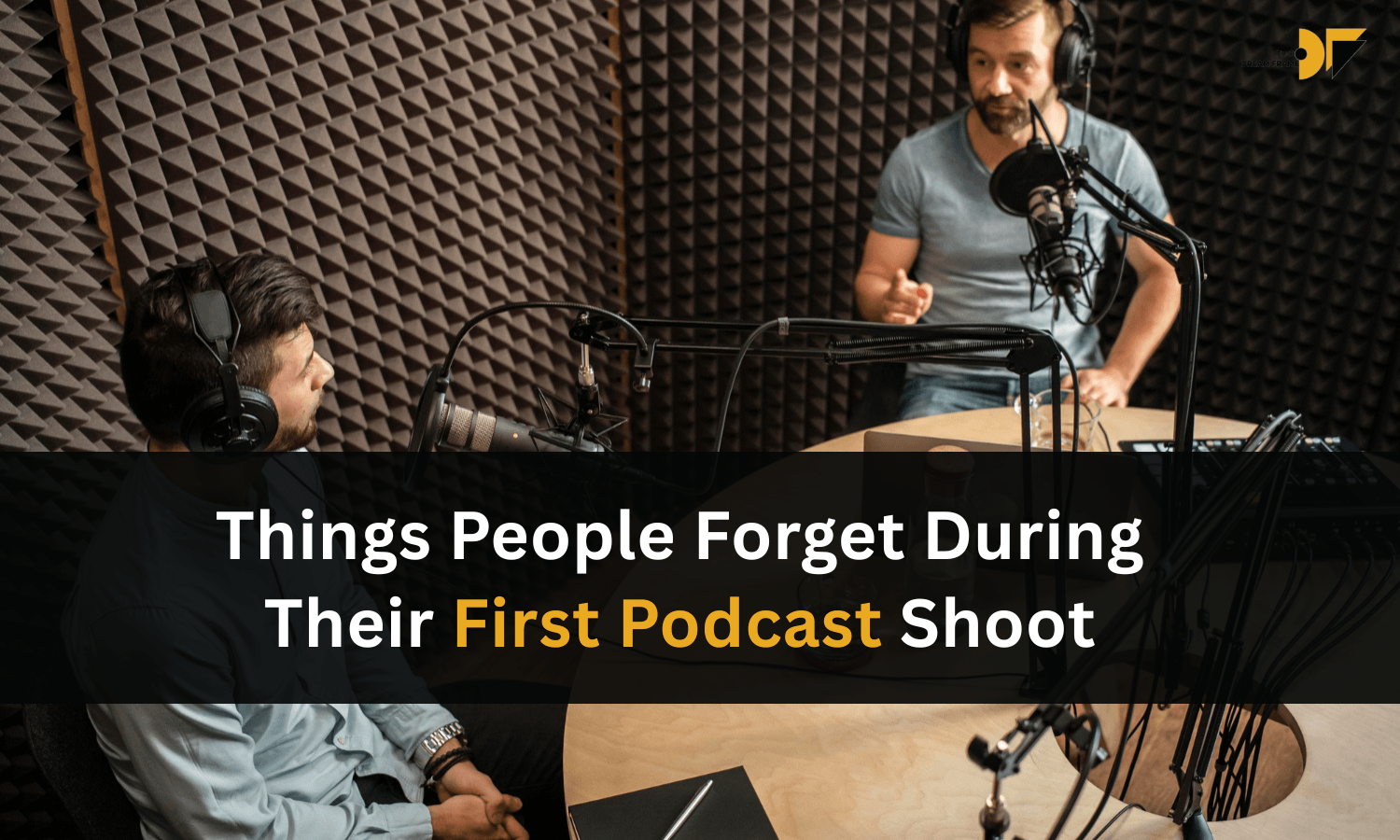
Things People Forget During Their First Podcast Shoot
A lot of people think podcast shoots are easy until they actually sit down for one.
Before the first shoot, most creators usually focus on exciting things like:
- camera quality
- studio setup
- background aesthetics
- thumbnails
- microphones
But once the recording starts, small practical things become the real challenge.
Sometimes the setup looks amazing but the audio feels uncomfortable. Sometimes the conversation is good but the person on camera looks nervous the entire time. And honestly, many first podcast shoots feel a little awkward in the beginning. That is normal.
The funny thing is that most of the mistakes people make during podcast shoots are not technical mistakes. They are simple things nobody thinks about before recording day.
Over time, creators slowly learn these things through experience. But if you are planning your first podcast shoot, knowing these points beforehand can genuinely save a lot of frustration later.
Most People Don’t Realize How Different Recording Feels
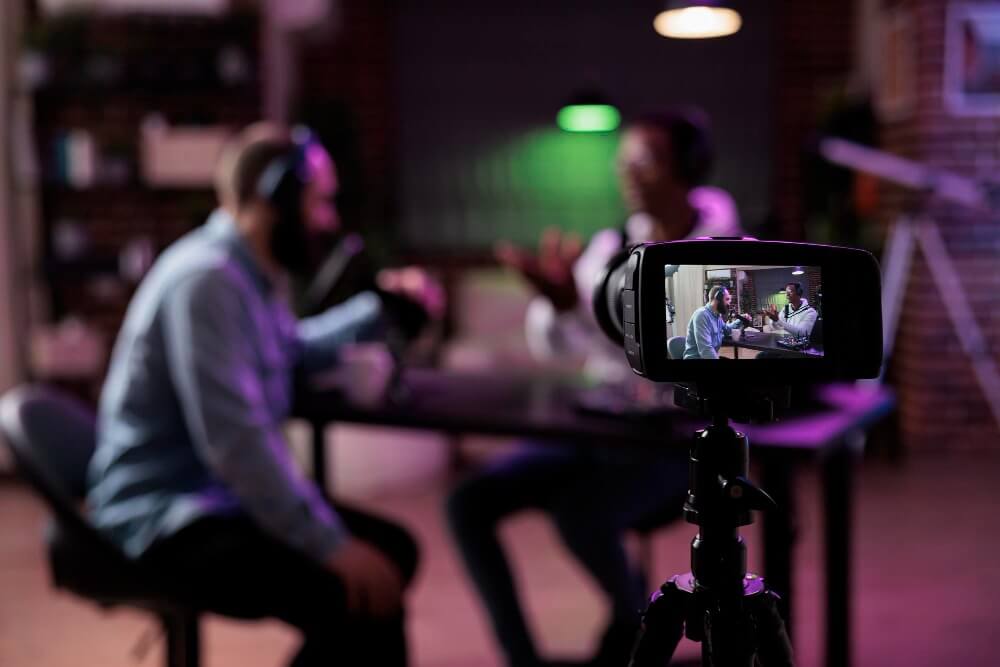
Talking casually with friends and recording a podcast are completely different experiences.
The moment cameras, lights, microphones, and headphones are placed in front of someone, the atmosphere changes immediately. Even confident people suddenly become more conscious.
You start noticing things you never think about normally:
- where to look
- how to sit
- what to do with hands
- whether you sound confident
- whether your voice sounds strange
A lot of first-time creators expect the conversation to flow naturally from the first minute, but usually the first 10–15 minutes feel slightly uncomfortable.
That is why many experienced hosts spend time casually talking before starting the actual recording.
People Spend Too Much on Cameras and Ignore Audio
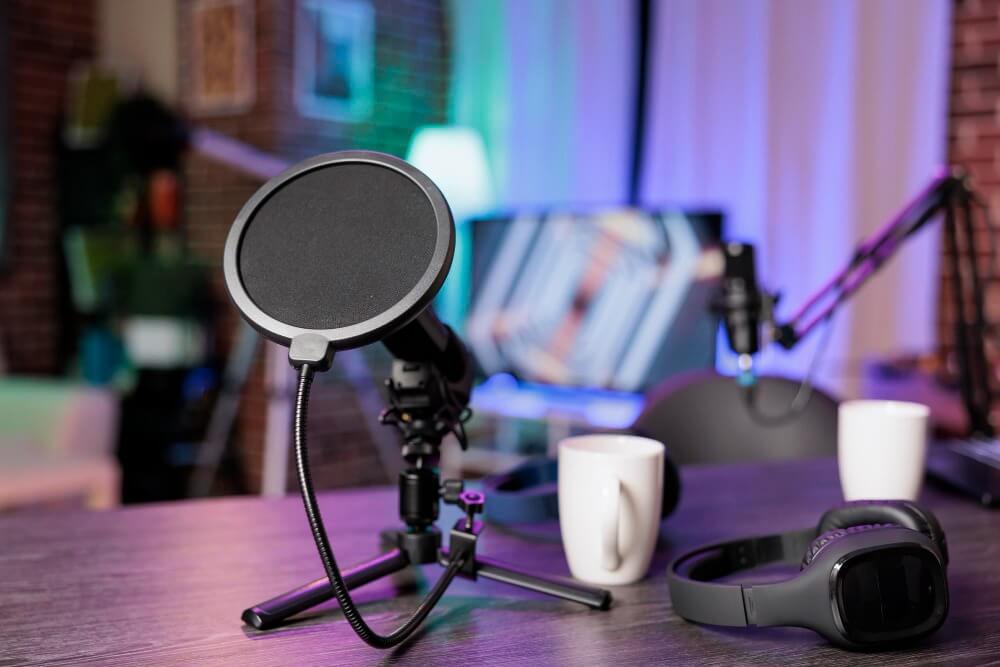
This happens almost everywhere now.
Someone buys:
- expensive DSLR
- cinematic lens
- RGB lights
- stylish background
but records audio in a room with echo.
And honestly, bad audio destroys podcast quality faster than average video quality.
Most viewers can tolerate basic visuals for some time, but uncomfortable audio makes people leave quickly. If the voice has echo, sharpness, low clarity, or background disturbance, the podcast immediately feels unprofessional even if the discussion itself is good.
This is why podcast studios focus heavily on sound control.
Good audio usually comes from:
- proper mic placement
- controlled room acoustics
- reduced echo
- balanced sound levels
- quiet environment
not only from expensive microphones.
Echo Is a Bigger Problem Than Most Beginners Think
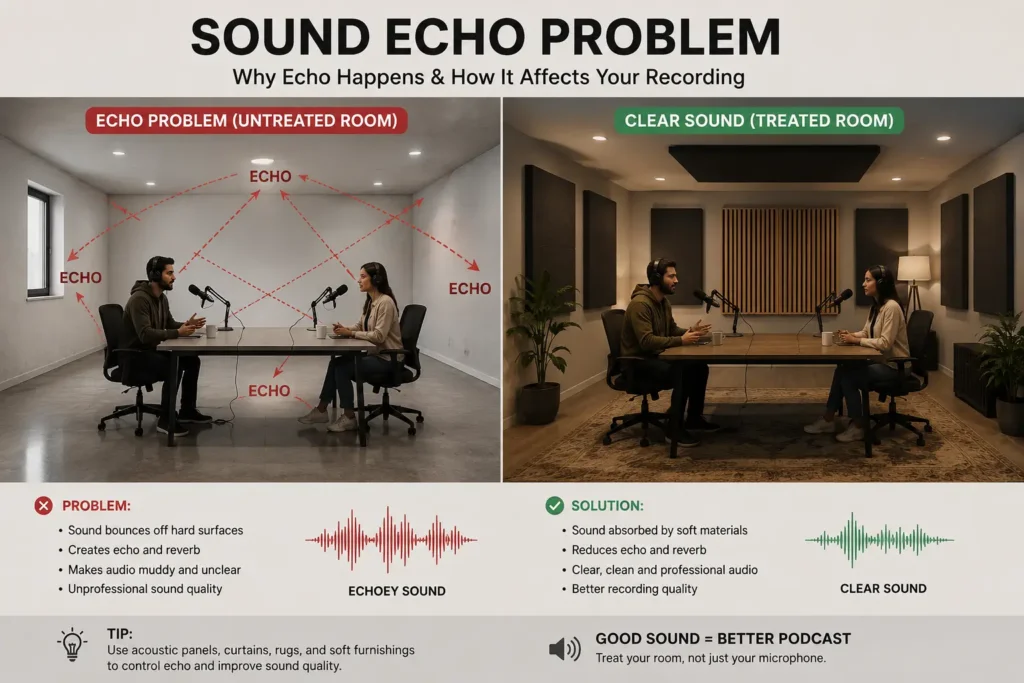
This is one of the biggest surprises during first shoots.
A room may look visually beautiful but still sound terrible on recording.
Large empty spaces, marble flooring, plain walls, glass windows, and open rooms create reflections that microphones easily capture. During normal conversation people do not notice this much, but microphones pick up everything.
That hollow sound instantly makes the recording feel cheap.
A lot of creators try home setups initially and later realize that sound treatment matters much more than they expected.
Even simple things like:
- curtains
- carpets
- cushions
- acoustic panels
can improve sound dramatically.
This is one reason why professional podcast spaces feel cleaner and more comfortable in recordings.
Sitting Naturally Is Harder Than It Looks
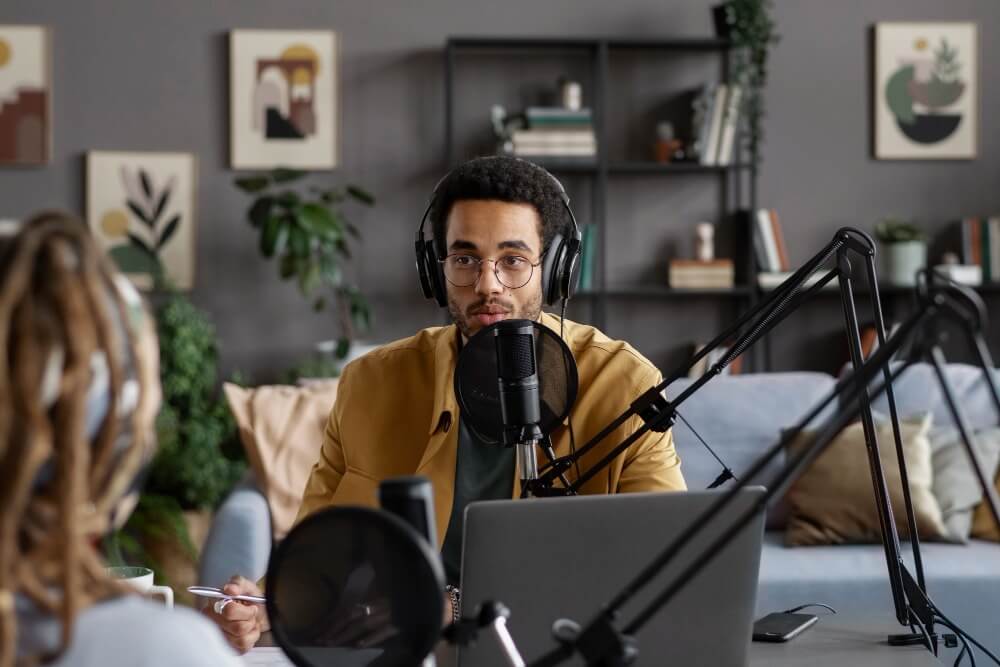
Most people think:
But once recording starts, posture suddenly becomes weird.
Some people become too stiff.
Some lean too much.
Some keep adjusting themselves every few seconds.
And on camera, small movements look much more noticeable than in real life.
People also forget that podcast recording usually lasts much longer than normal conversations. Sitting uncomfortably for one hour becomes exhausting very quickly.
Comfortable seating actually matters a lot more than people realize.
Lighting Changes the Entire Mood of the Podcast
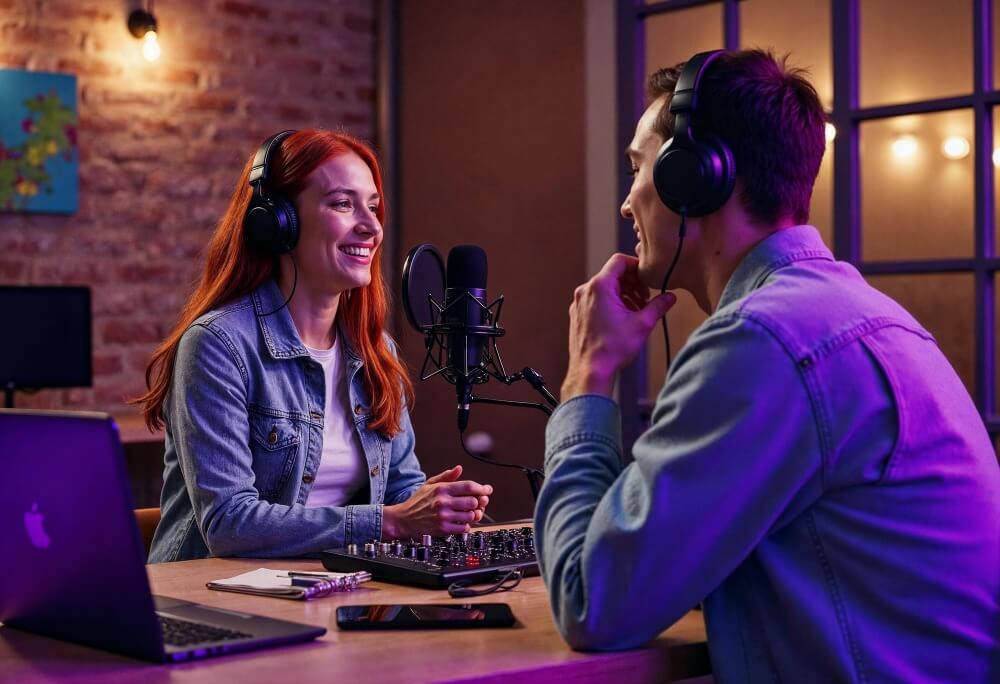
Lighting is not only about brightness.
It completely changes:
- mood
- skin tone
- background feel
- professionalism
- overall atmosphere
A lot of first podcast setups use random white lights from the room itself. The result usually looks flat and harsh on camera.
Soft and balanced lighting makes conversations feel warmer and easier to watch.
Even very simple podcast setups can look premium with proper lighting angles.
This is why creators eventually start paying attention to:
- key lights
- fill lights
- warm tones
- background separation
instead of just increasing brightness.
Most First-Time Guests Feel Nervous
Even people who speak confidently in real life sometimes freeze slightly during recording.
Once microphones are attached and cameras start rolling, people suddenly become more aware of:
- pronunciation
- facial expressions
- pauses
- mistakes
Many guests also think they need to sound “perfect,” which actually makes the conversation less natural.
The best podcasts usually feel like normal conversations instead of formal interviews.
That relaxed feeling takes time to build.
People Forget How Tiring Shoots Can Be
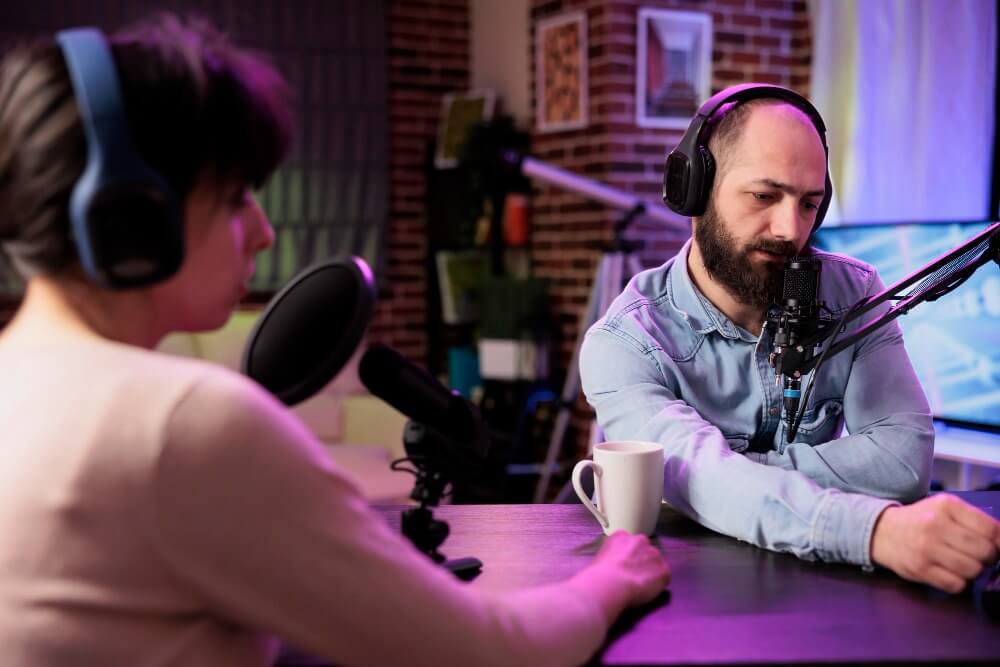
Podcast shoots may look simple from outside, but long recordings become mentally exhausting.
There are many small things happening continuously:
- retakes
- sound checks
- camera adjustments
- lighting changes
- pauses
- topic planning
Even a 40-minute podcast can easily take 2–3 hours overall.
This is why creators often forget practical things like:
- water
- snacks
- extra batteries
- memory cards
- charging cables
and later regret it during the session.
Background Setup Affects Viewer Attention
Many beginners underestimate backgrounds.
A distracting background pulls attention away from the actual conversation very quickly.
Too much decoration, random objects, clutter, or poor color combinations make the podcast feel visually confusing.
This is why most professional podcast setups look clean and balanced instead of overloaded.
Simple backgrounds usually work better because viewers stay focused on the speakers.
Technical Problems Usually Happen at the Worst Time
This is almost unavoidable during early shoots.
Things people forget:
- memory card full
- mic battery low
- camera overheating
- cable loose
- audio not recording properly
- wrong camera settings
And unfortunately these mistakes are often discovered after recording finishes.
That is why experienced creators always test everything before starting actual recording.
Even a 5-minute technical check can prevent major problems later.
Shooting at Home Sounds Easy Until You Actually Try It
A lot of creators initially think home setup will save money.
But home shoots create many unexpected problems:
- traffic noise
- fan noise
- echo
- interruptions
- poor lighting
- limited camera angles
- cluttered background
Sometimes even simple recording becomes stressful because too many things need to be managed together.
This is why many creators eventually move to rental studios after a few shoots. It removes technical pressure and allows more focus on the actual content.
Why More Creators Are Using Professional Podcast Studios
Podcasts today are no longer just audio recordings.
Now creators also use podcasts for:
- YouTube content
- Instagram reels
- short clips
- brand collaborations
- social media marketing
Because of this, visual presentation matters much more than before.
Professional podcast studios help creators by providing:
- proper acoustics
- aesthetic setup
- lighting arrangement
- comfortable seating
- cleaner recording environment
without needing to manage everything individually.
For first-time creators especially, this makes the process much smoother.
Studio Dream Frame – Podcast & Content Shoot Space in Gurgaon
For creators, brands, and businesses looking for a practical content production setup, Studio Dream Frame offers studio spaces in Gurgaon designed for podcasts, brand shoots, kitchen shoots, and content production.
The spaces are designed keeping modern creators in mind, so people can focus more on recording and less on managing technical setup issues.
Whether someone is recording:
- podcasts
- interviews
- brand conversations
- social media content
- food videos
having a proper setup saves a lot of time and effort during production.
Final Thoughts
Honestly, almost every creator feels underprepared during their first podcast shoot.
That is normal.
Most people only realize the importance of:
- sound quality
- room setup
- lighting
- comfort
- preparation
after experiencing an actual recording session.
And usually the biggest lesson is this:
Good podcasts are not created only with expensive equipment.
They feel good when the environment feels comfortable, natural, and easy for conversation.
That is what people actually connect with while watching.
Leave a Reply