Finding the “best” production house sounds simple, but it’s actually not.
Because what works for one brand doesn’t really work for another.
Some brands need heavy production. Some don’t.
And a lot of times, people realize this only after spending money on one big shoot… and then not using the content properly.
It happens more than people talk about.
Usually, the thinking is very straightforward:
“We need a video → let’s find a production house → shoot → done.”
But the reality is a bit different.
You get the video. It looks good. Everything is fine technically.
And then… nothing much happens.
You don’t post consistently.
You don’t go back for another shoot quickly.
The whole process feels heavy.
So the problem is not the video.
It’s the way it was created.
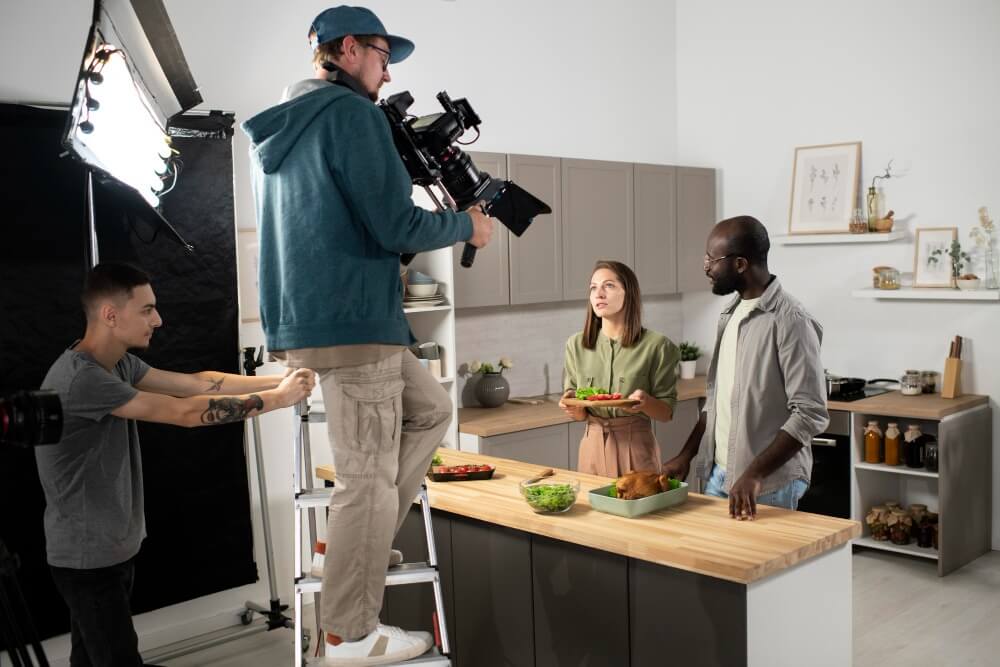
Earlier, it meant scale.
Big team. Big lights. Expensive cameras.
Now, especially for brands doing marketing regularly, it means something else:
Can you keep creating without getting tired of the process?
That’s it.
Because marketing videos are not a one-time thing anymore.
You need:
If every video feels like a project, you won’t do many.
When brands say, “we need better videos,”
what they actually mean is:
“we need content that’s easier to make.”
There’s a difference.
A very well-produced video that takes 15 days to plan is not always useful.
But a simple video you can shoot anytime?
That works more often.
This is not criticism, just observation.
A lot of production teams focus on:
But not always on:
So you end up with:
Which is not ideal for marketing.
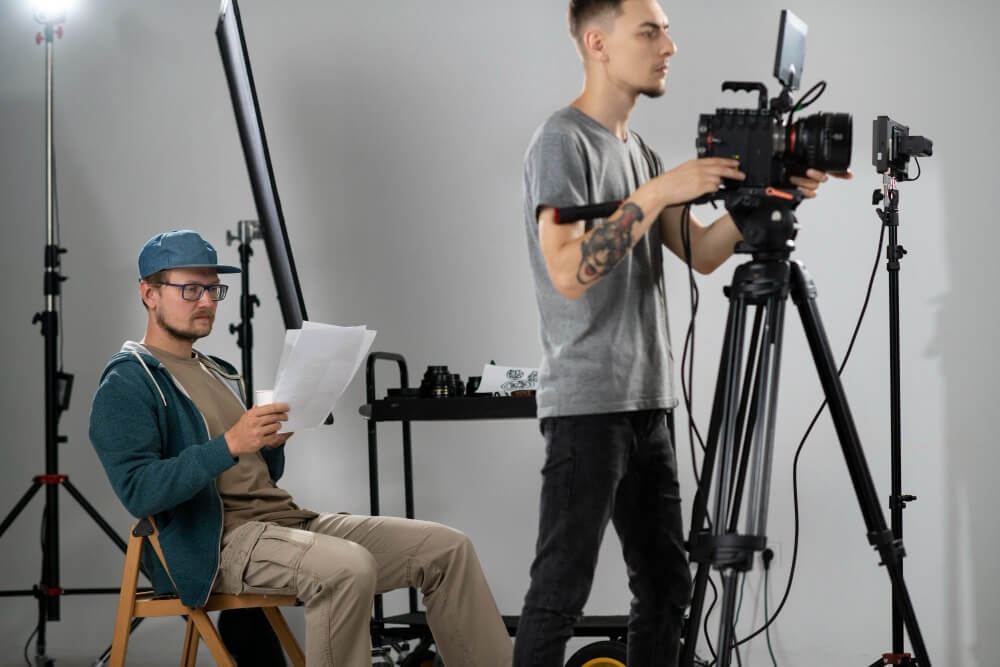
Instead of thinking too much about “best”, it helps to check simple things.
Because honestly, sitting for one video at a time is slow.
Most brands now shoot:
It saves time, energy, and cost.
Setting up lights, fixing audio, adjusting everything every time…
It sounds small, but it drains you.
A ready setup removes that friction.
Some studios look great but feel too “formal”.
That affects how people speak on camera.
A slightly relaxed space often gives better results.
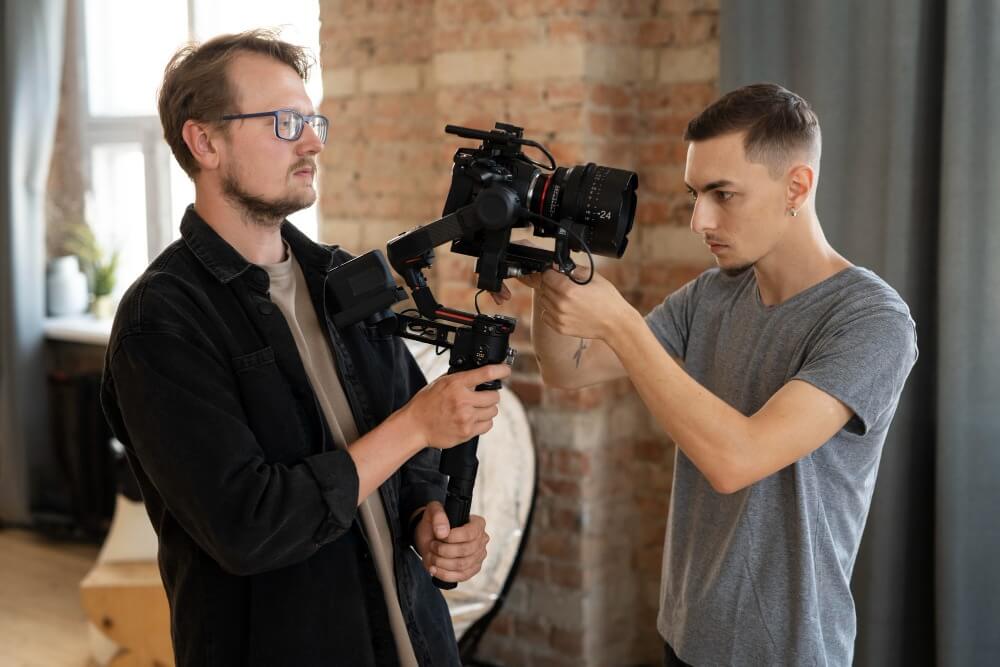
A lot of brands (especially smaller teams and founders) are moving away from heavy production setups.
Instead, they’re doing something simpler:
It’s not flashy, but it works.
If you look at it from that angle,
Studio Dream Frame is not trying to act like a big production house.
It’s more like a space that helps you create content without overthinking.
They have:
So instead of managing everything, you just go there and start.
That’s the main advantage.
You can check it here:
https://studiodreamframe.com/
It makes more sense if:
The environment.
Not in a dramatic way, but still.
A cluttered or poorly lit space affects how the video feels.
Even if you don’t notice it consciously, it shows.
On the other side:
These things quietly improve everything.
The best production setup is not the one with the most equipment.
It’s the one you’ll actually use again.
That’s it.
If it’s easy to go back and shoot again,
you’ll create more content.
And more content usually leads to better results than one perfect video.
Not always. Sometimes a good studio setup is enough.
Because they don’t connect or they’re not consistent.
Yes, it saves time and helps with consistency.
Simple, ready-to-use studio setups work best.
Not really. Clarity of message matters more.
As often as they can maintain consistently—even once a week is fine.