
Imagine walking into a premium retail store. The products are neatly displayed, the lighting is perfect, and every detail feels intentional. Now imagine walking into a cluttered store with poor lighting and products scattered everywhere. Which one would you trust more?
The same principle applies online.
For most businesses, product photos are the first thing potential customers notice. Before reading specifications, checking reviews, or comparing prices, people look at the images. Within a few seconds, they form an opinion about your product and your brand.
The challenge is that even excellent products can appear low-quality if they are photographed poorly. Many businesses invest heavily in product development and marketing but overlook the importance of professional visuals. As a result, they lose customer trust and miss out on sales opportunities.
If your product photos are not generating the engagement or conversions you expected, some common photography mistakes could be the reason.

Customers associate image quality with product quality.
When a product photo looks clean, sharp, and professionally presented, customers naturally assume the product itself is reliable and well-made. On the other hand, poor photography can create doubts, even if the product is excellent.
In competitive markets where customers have countless options, strong visuals often become a deciding factor.

Lighting is one of the biggest factors that separates professional product photography from amateur photography.
Poor lighting can make products appear dull, flat, or unattractive. Shadows may hide important details, while overexposure can wash out colors and textures.
A common mistake is relying on whatever light happens to be available. While natural light can work in some situations, it changes throughout the day and creates inconsistent results.
Good lighting doesn’t just help customers see the product—it helps them trust what they’re seeing.
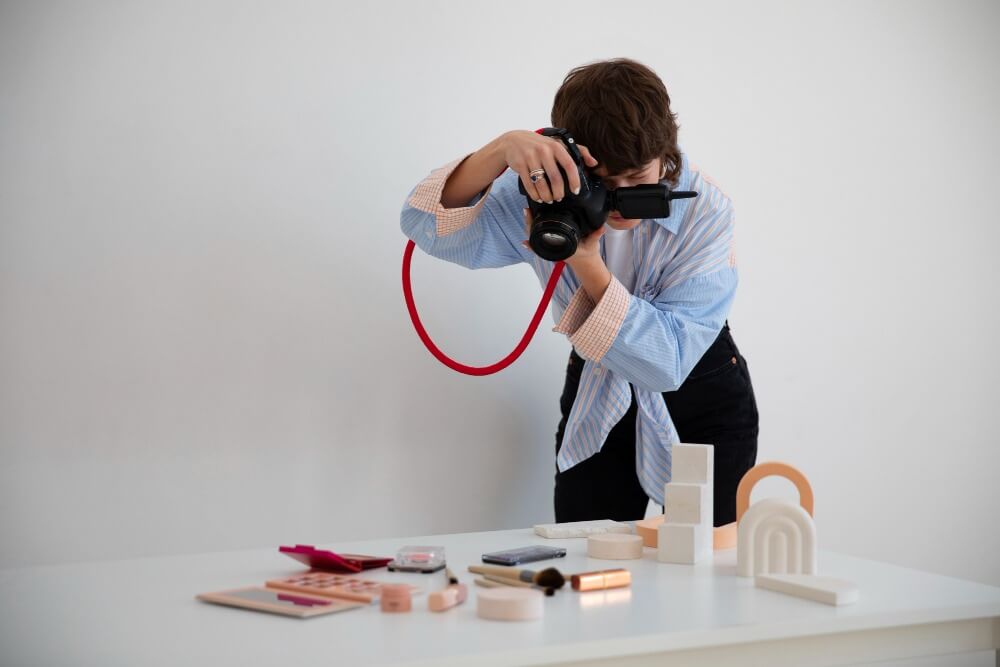
A product should always be the center of attention.
Unfortunately, many product photos include distracting backgrounds, unnecessary props, or busy environments that compete with the product itself.
For example, a beautifully designed product placed on a messy desk can instantly lose its visual impact. Customers may spend more time looking at background elements than the actual item being sold.
Clean backgrounds create a professional appearance and allow buyers to focus entirely on the product.
In many cases, less is more.

Imagine browsing an online store where every product photo looks different. Some images are bright, others are dark. Some have white backgrounds, while others have colorful scenes. The camera angles vary, and the editing style changes from product to product.
The result is confusion.
Consistency is one of the foundations of strong brand presentation.
Consistent product photography creates a unified shopping experience and helps customers recognize your brand instantly.

Product photography often reveals details that are difficult to notice with the naked eye.
Dust particles, fingerprints, scratches, wrinkles, packaging defects, and uneven labels can become highly visible once the camera zooms in.
Many businesses rush into a photoshoot without preparing the product properly. The result is an image that feels careless and unprofessional.
Small improvements can make a significant difference in the final image.

Many businesses attempt to photograph products in offices, homes, warehouses, or outdoor locations without considering environmental factors.
Even the weather can affect the final result.
Professional studios are designed specifically to eliminate these variables. Controlled environments help photographers produce consistent, repeatable results regardless of the time of day or external conditions.
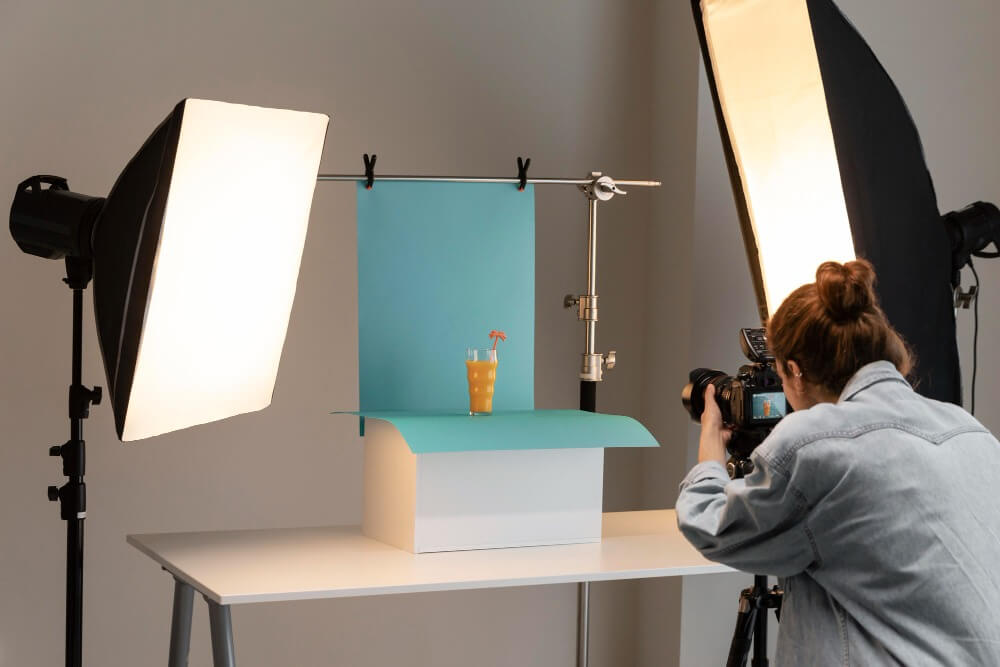
Professional studios don’t simply provide better equipment. They create an environment where every aspect of the image can be controlled and optimized.
Some of the key advantages include:
Professional lighting setups ensure every product is evenly illuminated and accurately represented.
Studios create clean, distraction-free environments that focus attention on the product.
Experienced photographers know how to position products to showcase their best features.
Professional cameras and lenses capture sharper details, richer colors, and better overall image quality.
Editing enhances image quality while maintaining an authentic representation of the product.
The goal isn’t to make products look unrealistic. The goal is to present them at their absolute best.
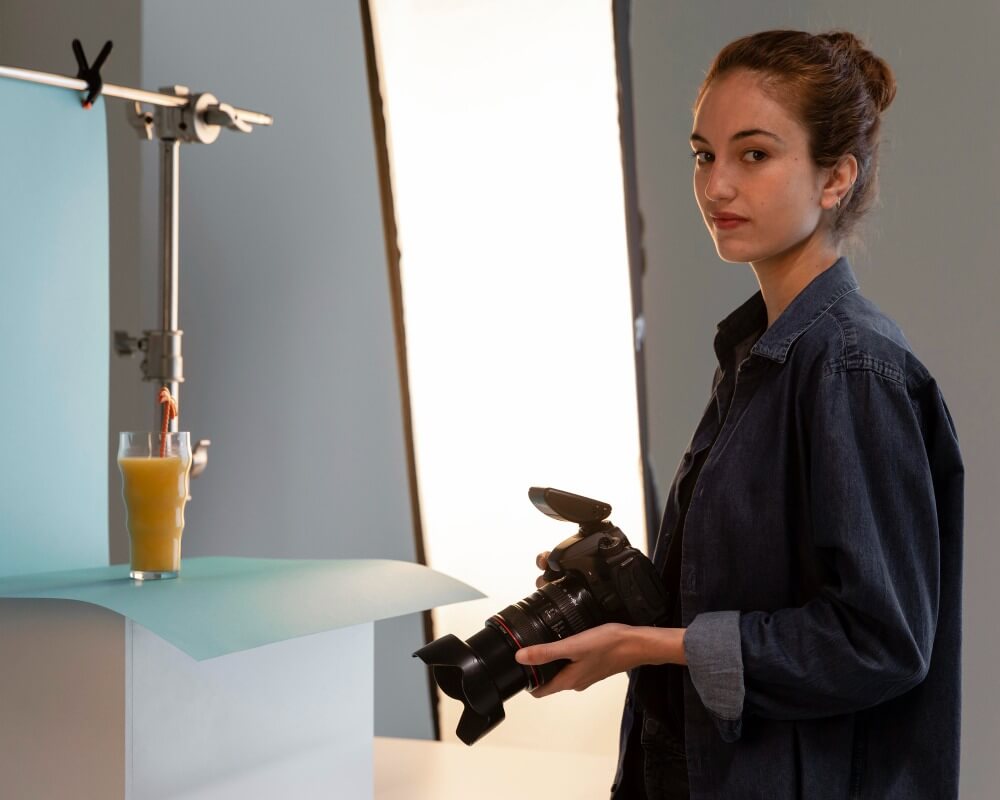
You don’t always need a massive budget to improve your photography.
Start with these practical steps:
Choose one lighting setup and use it across all product images.
Remove unnecessary distractions and keep the focus on the product.
Inspect each item carefully and eliminate dust, fingerprints, and imperfections.
Create a standard set of product angles for all listings.
Include close-up shots that highlight materials, textures, and unique features.
Your best-selling products deserve premium visuals that accurately represent their value.
Small improvements in photography often lead to noticeable improvements in customer engagement and conversions.
Product photography is far more than a visual asset—it is a powerful sales tool that shapes how customers perceive your brand.
Poor lighting, cluttered backgrounds, inconsistent styling, overlooked details, and uncontrolled shooting environments can make even premium products appear less valuable than they truly are.
The good news is that these mistakes are entirely avoidable.
By focusing on presentation, consistency, and attention to detail, businesses can create product images that inspire trust, communicate quality, and encourage customers to take action. In a digital-first marketplace, great product photography isn’t just a marketing advantage—it’s a business necessity.