Podcasting has become very common now. Everyone wants to start a podcast — creators, business owners, coaches, chefs, influencers, even local brands. And honestly, starting is not difficult anymore. A microphone, a camera, and a quiet room feel enough in the beginning.
But after recording the first few episodes, most people notice something strange.
The conversation may be good. The guest may be interesting. The camera quality may even look professional.
Still, the podcast doesn’t feel good to watch or listen to.
Most of the time, the real problem is audio.
People can ignore average visuals for some time, but they usually leave quickly when the sound feels irritating, echoey, too sharp, too low, or uncomfortable in headphones.
And the surprising part is this — many podcast audio mistakes are very small things people never think about.
This blog is not about expensive equipment or technical studio language. It’s about real recording mistakes people make every day and how those small issues quietly damage the overall podcast experience.
A room can feel silent to us but still sound noisy inside a microphone.
This happens a lot.
Human ears naturally ignore background sounds after a few minutes. Microphones don’t.
That’s why many podcasts sound distracting even when creators think the setup was fine.
One thing experienced podcasters do before recording is very simple:
they sit silently with headphones for 20–30 seconds.
Suddenly all hidden sounds become obvious.
It sounds basic, but it genuinely helps.
This is another common beginner mistake.
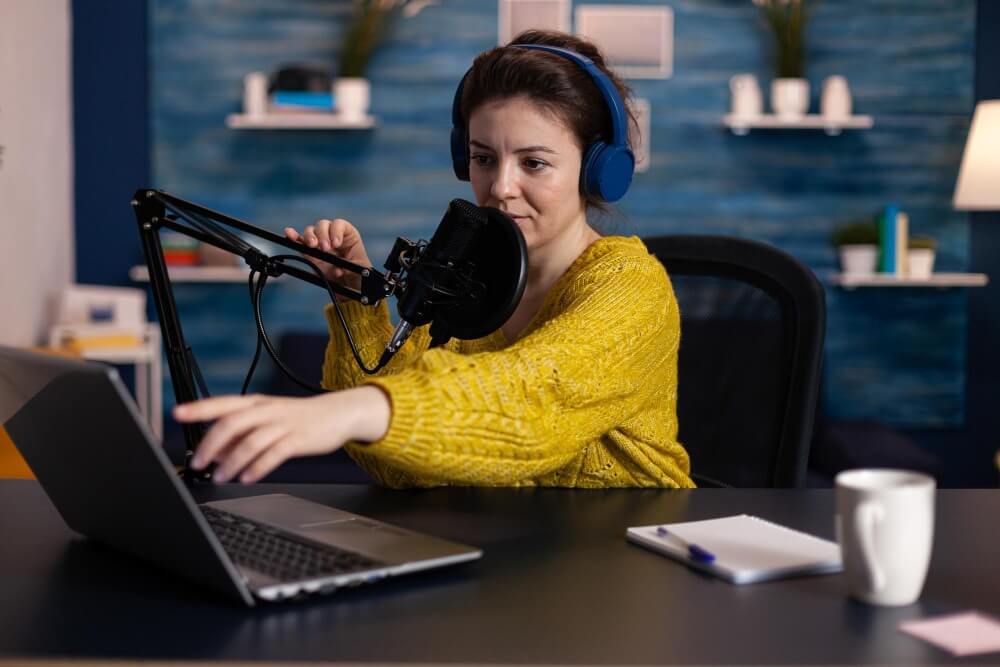
People think speaking very close to the microphone makes the voice sound “radio-like.” Sometimes it actually makes things worse.
The voice starts feeling too aggressive inside headphones.
On the other hand, sitting too far makes audio weak and empty.
The best podcast recordings usually sound natural because the speaker maintains a comfortable, consistent distance from the mic instead of constantly moving around.
A simple pop filter also helps more than most people realize.
This issue ruins many home podcasts.
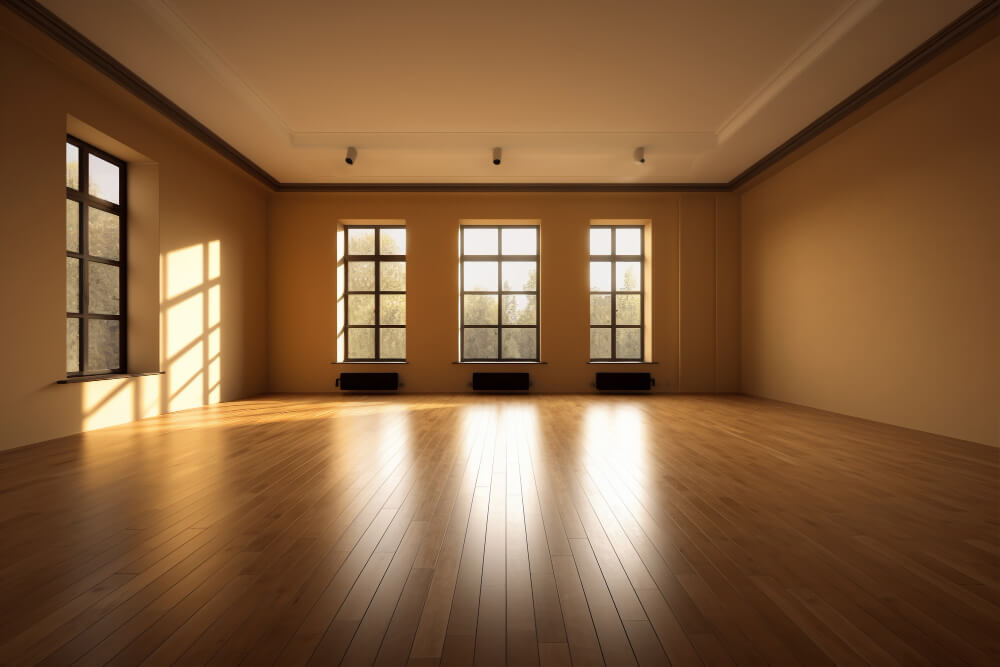
A room may look beautiful on camera but sound terrible during recording.
Big empty rooms create reflections. Voice bounces from walls, tiles, glass, and ceilings. That echo gives podcasts a cheap or unprofessional feeling instantly.
What’s interesting is that expensive microphones often capture echo even more clearly.
Many creators keep upgrading equipment without fixing the actual room.
Soft surfaces reduce sound reflection naturally.
Professional podcast studios spend more effort on room acoustics than people usually imagine.
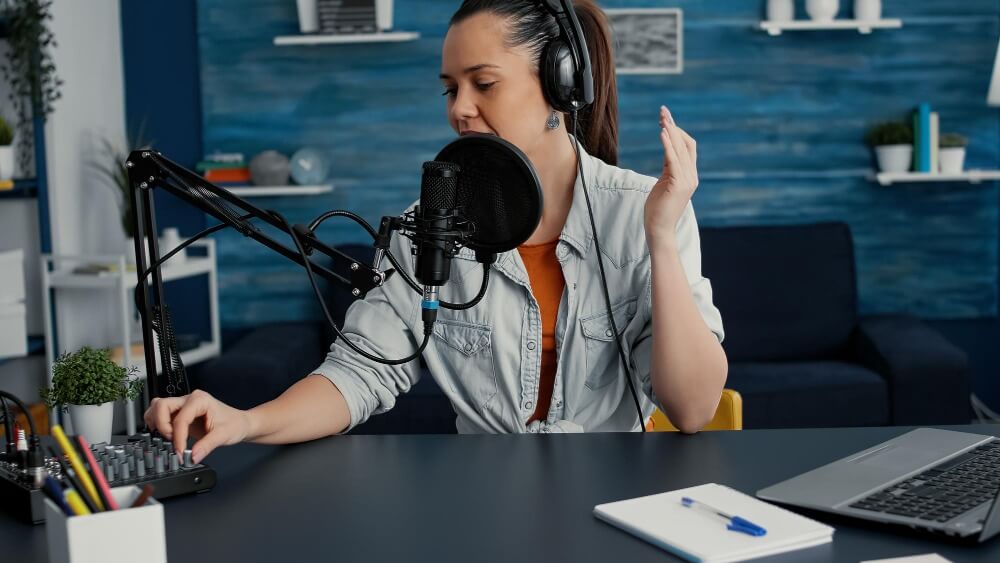
This one is less technical but very real.
Many new podcasters become too conscious while recording.
They try to:
The result becomes unnatural very quickly.
Ironically, listeners usually connect more with real conversations than perfect delivery.
Natural pauses, small laughs, slight imperfections — these things make podcasts feel human.
A comfortable conversation always sounds better than a scripted performance.
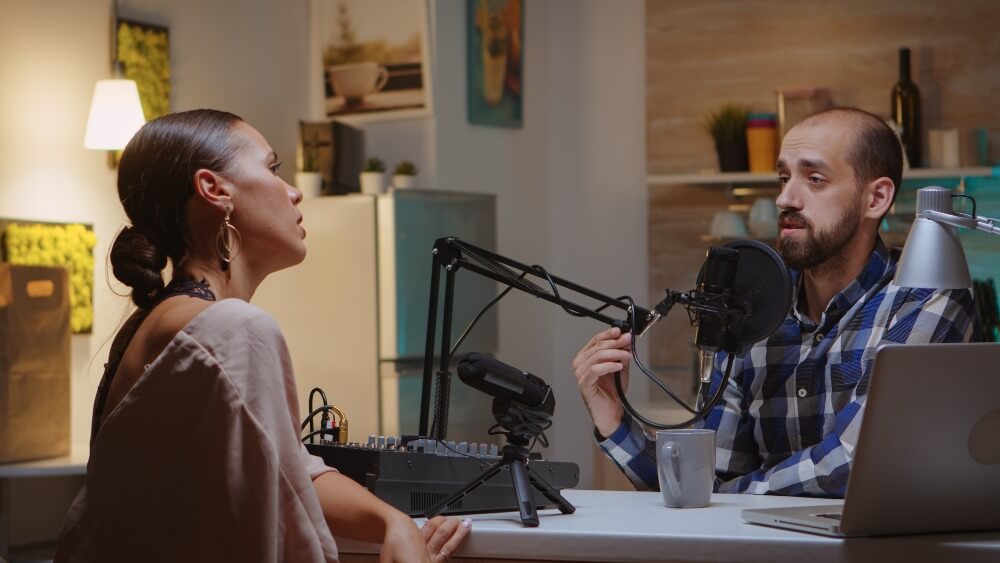
This problem has become extremely common now because many podcasts happen remotely.
Then the full episode sounds inconsistent.
One speaker sounds clean while the other sounds distant or distorted.
A simple pre-call setup check can prevent most of these issues.
Small preparation changes the entire recording quality.
This is something people rarely talk about.
Long podcast sessions affect voice energy.
After 40–50 minutes:
Listeners may not identify the exact issue, but they feel the drop in energy.
Professional podcast recordings often include short breaks even during conversational episodes.
Water also matters more than people think during recording.
Dry mouth sounds are very noticeable in studio microphones.
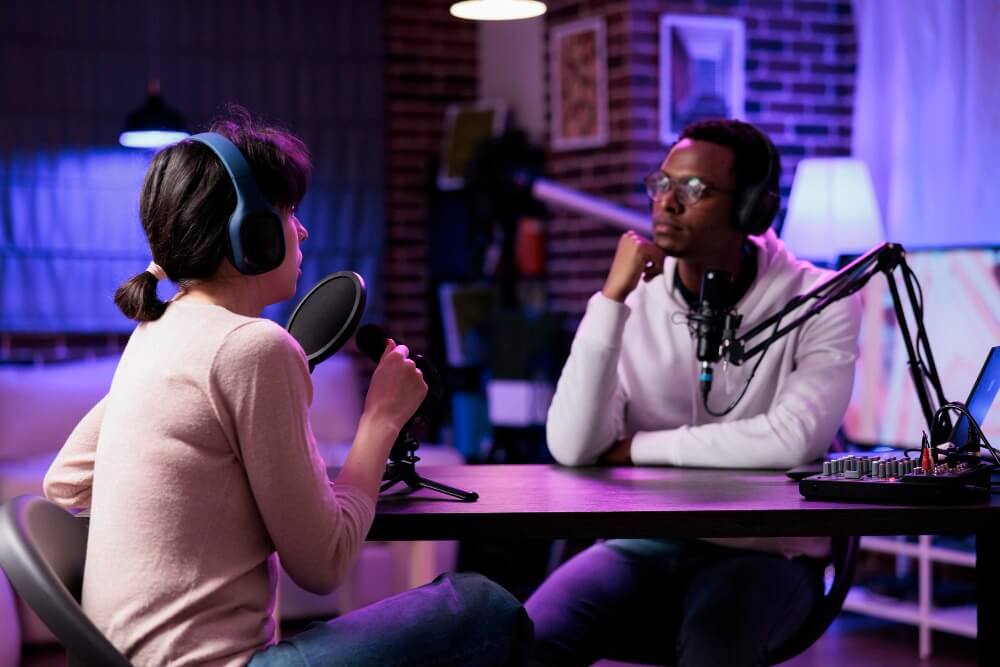
This sounds small, but it affects podcast sound a lot.
If guests sit awkwardly:
Comfort directly affects audio consistency.
Professional studios plan furniture placement carefully for this reason.
Good posture and relaxed seating make conversations smoother automatically.
Many creators trust the visual audio meter only.
That’s risky.
Monitoring with headphones during recording saves entire episodes.
Experienced podcasters almost never skip this step.
Different podcast formats need different environments.
A serious business interview needs a controlled setup.
A food podcast may need a warmer lifestyle setting.
A video podcast needs both sound quality and visual aesthetics.
A lot of creators try adjusting one random room for everything.
That usually creates compromise in both audio and visuals.
This is one reason content creators now prefer dedicated creative studios instead of temporary home setups.
One thing many beginners misunderstand is this:
Better microphones alone do not create better podcasts.
Environment matters more.
A decent microphone inside a professionally treated space often sounds far better than expensive gear used in a noisy room.
The entire environment affects content quality.
Content creation has become more competitive now.
Viewers notice quality immediately.
A proper studio saves creators from constantly worrying about:
It also helps creators stay focused on the conversation instead of fixing equipment during recording.
For brands, coaches, influencers, chefs, and businesses creating regular content, this becomes a major advantage.
If you are searching for a professional creative space in Gurgaon for podcast recording, brand shoots, kitchen shoots, or content creation, Studio Dream Frame offers ready-to-use studio spaces designed for creators and businesses.
Instead of struggling with room setup, echo problems, or inconsistent recordings, creators can focus directly on producing better content.
A professional environment genuinely changes how content looks, sounds, and feels.
Most podcast audio problems come from room acoustics and background noise, not the microphone itself.
For many beginners, yes. Echo makes audio feel distant and unpleasant very quickly.
Use a quieter room, reduce sound reflections, maintain proper mic distance, and monitor audio using headphones.
Yes. People may continue watching average visuals, but poor audio often makes them leave within minutes.
Home setups can work, but professional studios usually provide more consistent audio quality and save recording time.
You can book professional podcast and creator-friendly studio spaces at Studio Dream Frame for podcasts, kitchen shoots, brand shoots, and content production.